
Embryo Freezing in Dubai
Preserve Your Embryos with Advanced Vitrification and Secure Storage in Dubai & UAE

Not every embryo created during an IVF cycle needs to be used right away, and that’s actually by design. Embryo freezing at Best Life Fertility Centre gives couples across Sharjah, Dubai, and the wider UAE a way to preserve healthy embryos from a single stimulation cycle, so future attempts at pregnancy don’t require starting the entire process over from scratch.
This matters more than people expect going into their first cycle. A stimulation cycle can produce several viable embryos, but a fresh transfer typically uses only one or two at a time. Freezing the remainder means a second or third attempt, if needed, can begin with a frozen embryo transfer instead of another full round of IVF and ICSI treatment, which is a meaningfully easier path physically, financially, and emotionally.
We handle every embryology decision with the same transparency we’d want for our own families: clear grading criteria, honest conversations about which embryos are strong candidates for freezing, and storage terms explained in full before anything goes into the tank.
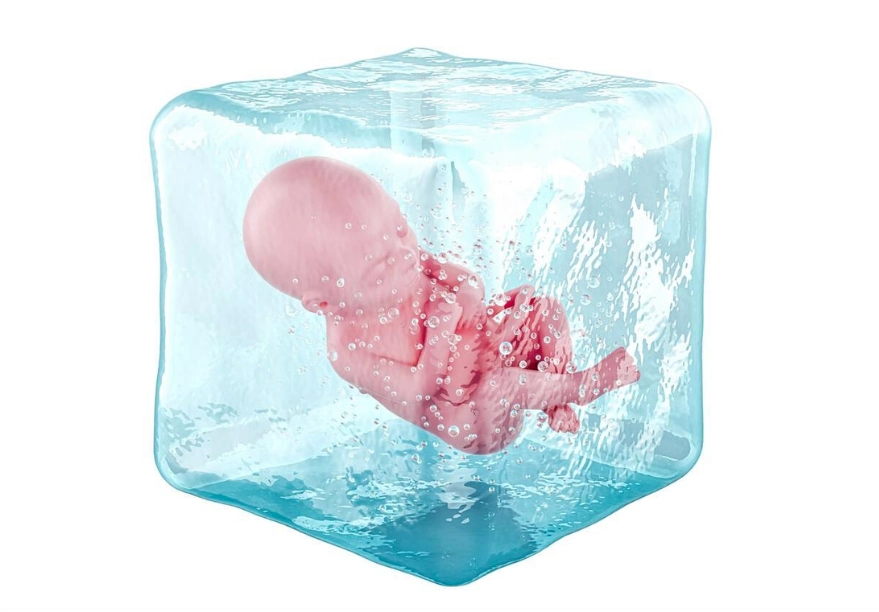
What Is Embryo Freezing?
Embryo freezing, or embryo cryopreservation, is the process of preserving fertilised embryos, created during an IVF or ICSI cycle, at a very low temperature for future use. Unlike egg or sperm freezing, which preserve individual reproductive cells before fertilisation, embryo freezing preserves the embryo itself, typically at the blastocyst stage, around day five or six of development.
The freezing method used almost universally today is vitrification, an ultra-rapid cooling technique that avoids the ice-crystal formation that damaged embryos under older, slower freezing methods. When a frozen embryo is eventually needed, it’s carefully thawed and transferred into a hormonally prepared uterus in what’s known as a frozen embryo transfer, or FET.
It’s worth being clear about what this does and doesn’t guarantee: vitrification has dramatically improved embryo survival rates after thawing, but not every frozen embryo survives the thaw, and not every transferred embryo results in a pregnancy. Freezing preserves an embryo’s potential at the quality it had when frozen, nothing more.
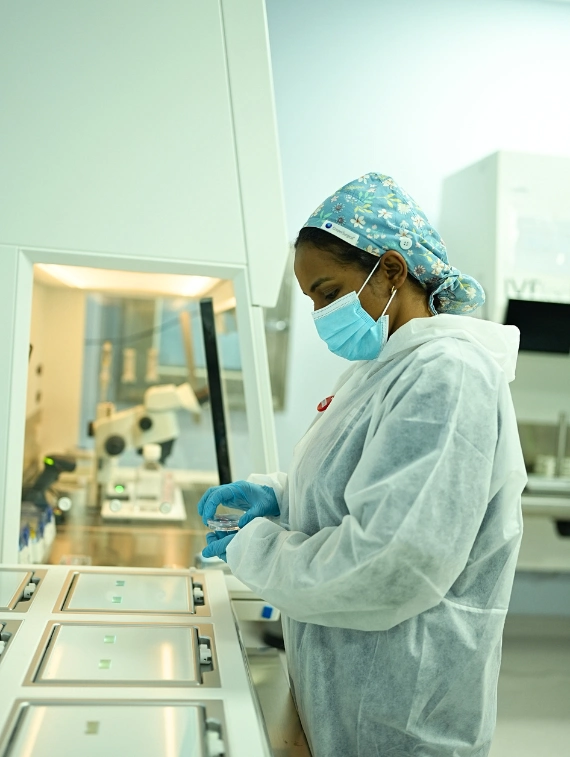
Reasons Couples Choose to Freeze Embryos
Embryo freezing comes up in quite a few different situations during fertility treatment, not just one standard scenario:
Multiple viable embryos from a single stimulation cycle, with only one or two needed for the current transfer
A medical reason to delay transfer, such as recovering from ovarian hyperstimulation or needing the uterine lining to settle
Genetic testing (PGT-A or PGD) on embryos before transfer, which requires time for lab results to come back
Wanting a backup plan in place before attempting a second pregnancy, without repeating ovarian stimulation
Whatever the reason for freezing, the embryology and storage standards stay exactly the same, and every embryo is tracked, graded, and labelled with the same rigour regardless of when it’s eventually used.

Is Embryo Freezing Part of Your Treatment Plan?
Embryo freezing isn’t something most patients decide on in isolation, it usually comes up naturally during an IVF or ICSI cycle. It’s likely to be relevant if:
Your stimulation cycle produces more viable embryos than you plan to transfer immediately
Your care team recommends genetic screening before transfer, which requires embryos to be frozen while testing is completed
Your doctor advises against a fresh transfer for medical reasons, such as OHSS risk or lining quality
You're planning to try for a second child later without repeating the egg retrieval process
Our embryology team reviews embryo quality and grading directly with you, so the recommendation to freeze, or not, is based on your actual embryos, not a general rule. You can also read more about genetic screening options if PGT-A or PGD is part of your conversation.
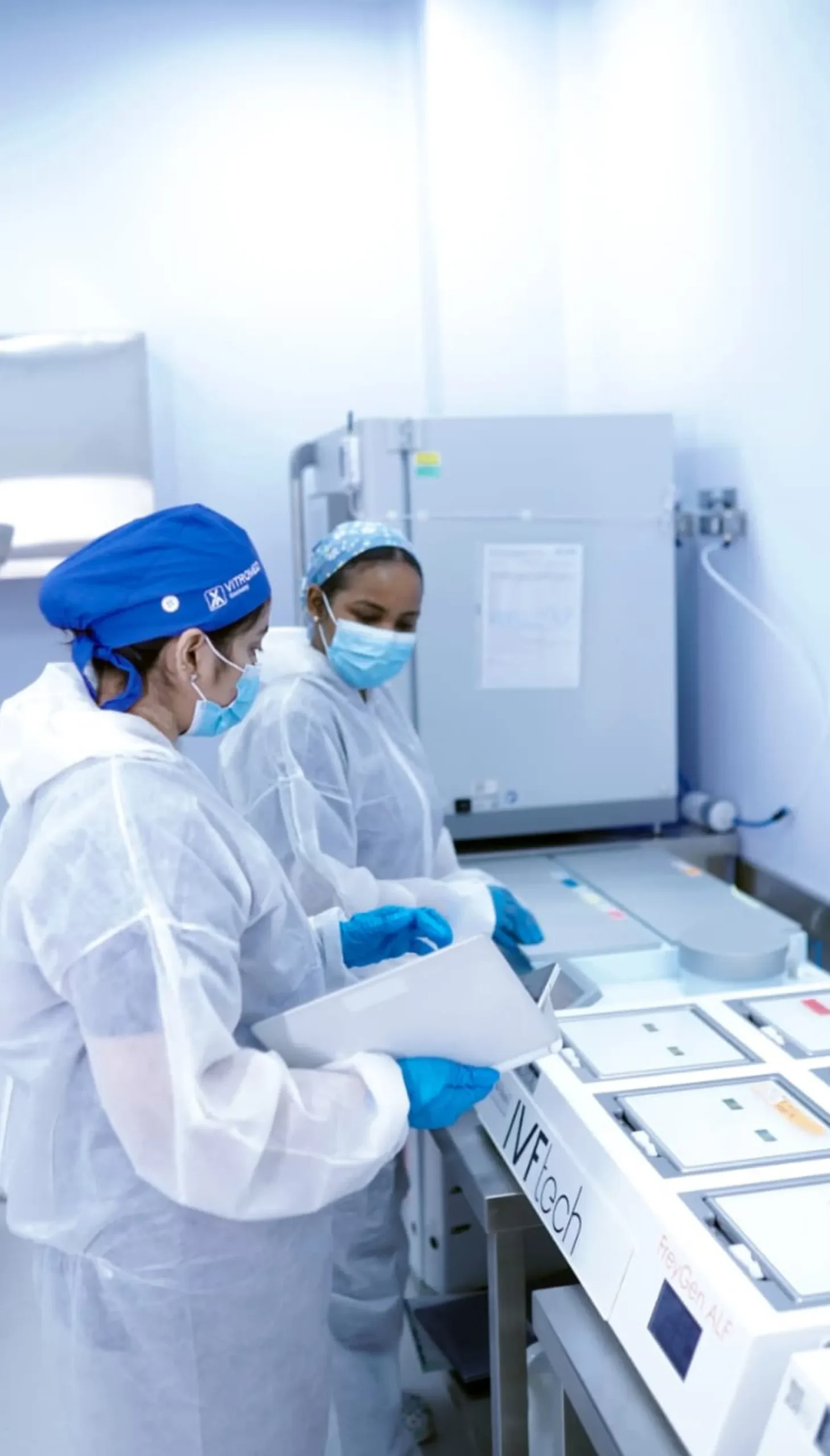
How Embryo Freezing Works
Embryo Development & Monitoring
Following fertilisation via IVF or ICSI, embryos are cultured and monitored daily in our lab, typically to the blastocyst stage on day five or six, before any freezing decision is made.
Grading & Selection
Embryologists assess each embryo’s development and structure, identifying which are strong candidates for freezing, transfer, or, where relevant, genetic testing.
Vitrification
Selected embryos are flash-frozen using vitrification within a narrow window, locking in their developmental stage and structure before any decline can occur.
Secure Storage
Frozen embryos are stored in monitored cryostorage tanks with clear, upfront renewal terms, so there’s never ambiguity about cost or duration.
Preparing for Transfer
When you’re ready to proceed, the uterine lining is hormonally prepared over one to several weeks, timed precisely for the thaw and transfer.
Thaw & Transfer
The embryo is thawed shortly before the scheduled transfer, assessed for post-thaw survival, and transferred in a standard frozen embryo transfer procedure.

What Sets Our Embryology Lab Apart
Consistent vitrification outcomes
Our lab tracks post-thaw survival rates closely, using a technique that’s become the clinical standard for a reason.
Transparent grading, always explained
You’ll see exactly how your embryos were graded and why specific ones were selected for freezing or transfer.
Genetic testing coordination built in.
If PGT-A or PGD is part of your plan, freezing and testing timelines are coordinated without unnecessary delay.
JCI and EIAC-accredited facilities
Backed by an experienced embryology team working to internationally recognised laboratory standards.
Clear, upfront storage pricing
Renewal terms and costs are explained at the outset, in writing, with no surprises down the line.
FAQ
How long can embryos stay frozen before they lose viability?
Vitrified embryos don’t have a firm expiration date and can remain viable for many years in storage. Long-term freezing itself doesn’t appear to reduce quality.
Is a fresh or frozen embryo transfer better?
Neither is universally better. Frozen transfers allow a fully prepared uterine lining and avoid stimulation-cycle hormone effects, which research increasingly shows can improve outcomes for some patients.
What happens to unused frozen embryos?
Unused embryos remain in storage under your name. Depending on your wishes and applicable regulations, options may include continued storage, use in future cycles, or other arrangements.
Can embryos be tested for genetic conditions before freezing?
Yes. Genetic testing, such as PGT-A or PGD, is typically performed on embryos before freezing, allowing results to guide which embryos are selected for future transfer.
Does freezing reduce embryo quality?
Modern vitrification causes minimal damage to embryo structure. Most embryos that survive the thaw process go on to develop and implant similarly to those transferred fresh.

Book an Appointment

Ready to Begin Your Journey?
If you’re seeking the Best IVF Clinic in Dubai for expert treatment with personalized care, you’re in the right place. Consult with our fertility specialists today—let’s map your path to parenthood together.