Endometriosis is not just a painful period. It’s a complex medical condition, and it can affect your daily life, your reproductive health and your ability to conceive. At Best Life Fertility Centre, we help women with endometriosis understand what’s happening, manage their symptoms and look at their fertility options.
We offer fertility assessments, the right diagnostic investigations and a treatment plan built around your pregnancy goals. Our approach to Endometriosis Treatment in Dubai starts with understanding your symptoms, medical history and fertility priorities.
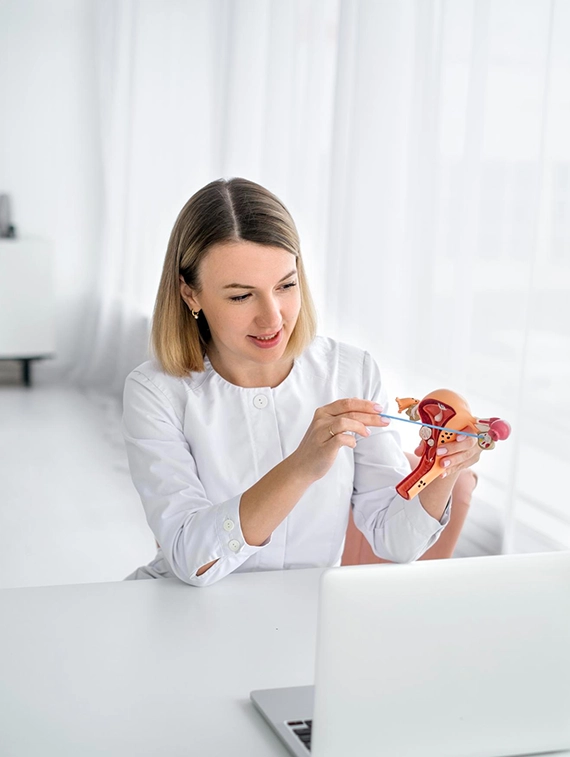
Endometriosis occurs when tissue similar to the lining of the uterus (endometrium) grows outside the uterus, on the ovaries, fallopian tubes, or other pelvic organs. These growths respond to hormonal changes, causing inflammation, pain, and sometimes scar tissue or adhesions.
For many women, endometriosis leads to chronic pelvic pain, painful periods, discomfort during intercourse, or digestive symptoms. In some cases, it can also interfere with ovulation or block the reproductive pathways, making it more difficult to get pregnant.
Symptoms differ from woman to woman. Some have severe pain that gets in the way of daily activities. Others have mild symptoms, or none that they notice.
Common symptoms include:
How severe your symptoms are doesn’t always show how extensive the condition is. If pelvic pain or period discomfort is affecting your quality of life, a specialist assessment can help identify the cause and the treatment options.
Endometriosis can reduce fertility in several ways. It may:
Diagnosis of endometriosis doesn’t mean you can’t conceive. Many women with endometriosis go on to have successful pregnancies, either naturally or with fertility treatment.
How much it affects your fertility depends on the affected area and extent of the endometriosis, your ovarian reserve, your age and other reproductive health factors.
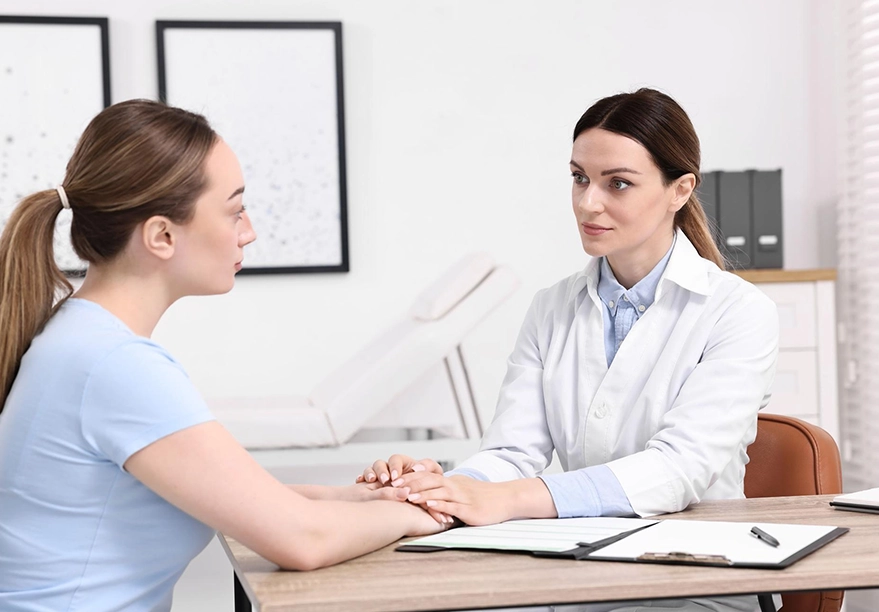
It starts with a conversation about your symptoms, menstrual history, medical background and reproductive goals. From there, your specialist may recommend different investigations, depending on your circumstances.
Common diagnostic approaches include:
Medical and symptom assessment
Your specialist reviews your menstrual patterns, pelvic pain, previous treatments and any fertility concerns. The aim is to understand your symptoms and medical history.
Pelvic ultrasound
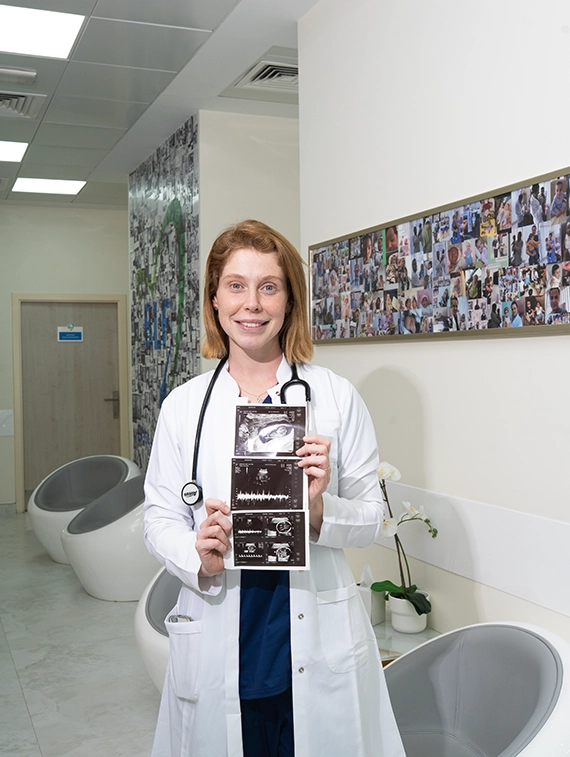
An ultrasound scan can help identify ovarian endometriomas and certain other signs of endometriosis. It also helps assess the reproductive organs and can point to other possible causes of pelvic symptoms.
MRI scan
In selected cases, a pelvic MRI may be recommended for more detailed information, particularly when deep endometriosis is suspected.
Laparoscopy
Laparoscopy is a minimally invasive surgical procedure. It lets a specialist examine the pelvic organs directly, and it may be considered when further investigation or surgical treatment is appropriate.
Not every woman needs all of these tests. A normal ultrasound or MRI does not completely rule out endometriosis. Depending on your symptoms and examination findings, further assessment may still be recommended.
At Best Life Fertility Centre, our approach to managing endometriosis and fertility concerns is evidence-based and planned around you.
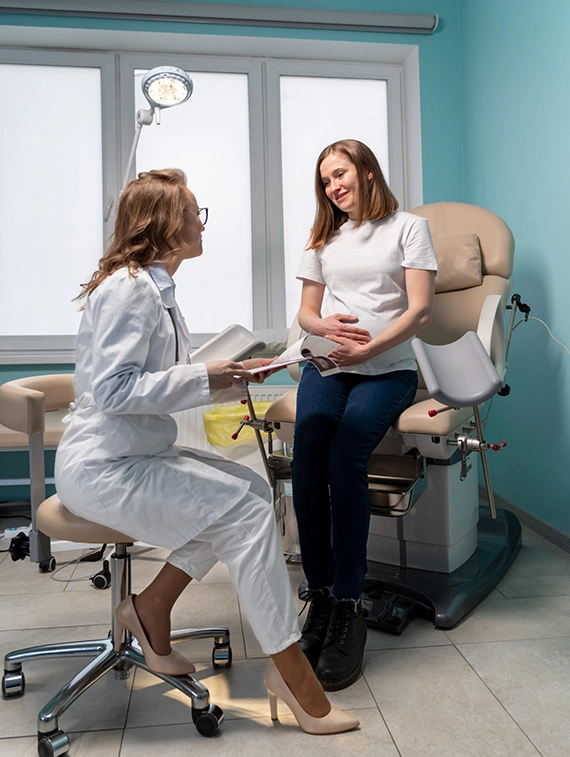
Your care begins with an in-depth consultation. We go through your symptoms, reproductive history, previous investigations and pregnancy plans. Depending on your needs, we may then add a pelvic ultrasound, an MRI or relevant fertility investigations.
Based on the findings, your treatment plan may involve:
Medical Therapy
Hormonal medications and pain-relief options may help manage endometriosis-related symptoms. What’s suitable depends on your medical history, your symptoms and whether you’re currently planning a pregnancy.
Minimally Invasive Laparoscopy
In selected cases, laparoscopic surgery may be considered to identify and remove endometriosis lesions or adhesions. We weigh the potential benefits and risks carefully, especially when the ovaries are involved or future fertility is a concern.
Fertility Planning
If you’re having difficulty conceiving, the options may include ovulation support, intrauterine insemination (IUI) or in vitro fertilisation (IVF). Which one is recommended depends on your age, ovarian reserve, fallopian tube function and the severity of the endometriosis.
Fertility Preservation
For some women, particularly those with ovarian endometriomas or concerns about future ovarian function, fertility preservation may be worth discussing. Egg freezing may be considered, depending on ovarian reserve, age, reproductive plans and any proposed treatment.
Wellness and Support
Managing endometriosis can involve more than medical treatment alone. Pain management, nutritional guidance and emotional support may help you cope with the physical and emotional challenges of the condition.
Not every woman diagnosed with endometriosis needs IVF. Some conceive naturally. Others may benefit from fertility treatment, depending on their circumstances.
IVF may be considered for moderate to severe endometriosis, damaged or blocked fallopian tubes, reduced ovarian reserve, or difficulty conceiving despite previous treatment.
Before recommending it, your fertility specialist may consider:
We plan IVF around each woman’s reproductive needs. The aim is a suitable treatment strategy that takes into account ovarian response, embryo development and the factors that may influence implantation.
Endometriosis, particularly when it affects the ovaries, may be associated with reduced ovarian reserve. Certain surgical procedures involving the ovaries can also affect the number of available eggs. If you aren’t planning a pregnancy right away, it may be worth discussing fertility preservation. In selected cases it can be beneficial.
Egg freezing allows mature eggs to be collected and stored for potential future use. It isn’t necessary or suitable for every woman with endometriosis, though. The decision should be based on your age, ovarian reserve, medical history and reproductive plans. An early fertility assessment can help you understand your options and make informed decisions about your future.
Choosing the right approach to endometriosis treatment means looking at two things: your current symptoms and your long-term reproductive goals. Women seeking endometriosis treatment in dubai can discuss their symptoms, fertility concerns and treatment options with our fertility team. We assess each patient individually. We don’t recommend the same approach to everyone.
Maybe you’ve been diagnosed with endometriosis. Maybe you have persistent pelvic pain or ovarian endometriomas, or you’re finding it difficult to conceive. Whichever it is, our team can help you understand the next steps. Endometriosis is a long-term condition, but it doesn’t define your future. Whether your priority is managing pain, protecting your fertility or planning for pregnancy, understanding your condition is an important first step.
At Best Life Fertility Centre, we’re committed to giving you clear guidance and compassionate fertility care, so you can make informed decisions at every stage.

Yes. It can, through inflammation, ovarian endometriomas, adhesions, or changes in the function of the reproductive organs. However, many women with endometriosis can conceive naturally or with fertility treatment.
There’s no single best treatment. It depends on your symptoms, the location and extent of the condition, your age, your medical history and whether pregnancy is a current priority. Options may include medical management, surgery in selected cases and fertility treatment.
Yes, many women with endometriosis conceive naturally. Your chances depend on individual fertility factors: age, ovarian reserve, fallopian tube function and the extent of the condition. A fertility assessment can help determine whether you might benefit from additional treatment.
No. Having endometriosis doesn’t automatically mean you need IVF. Before recommending natural conception, IUI or IVF, your specialist may assess your ovarian reserve, your age, your fallopian tubes, your partner’s fertility results and any previous treatment.
Consider seeing one if painful periods interfere with daily activities, if pelvic pain persists, if you have pain during intercourse, or if you’re concerned about difficulty conceiving. Early assessment can help identify possible causes and guide management.
Yes. Symptoms and lesions can recur after treatment, including surgery. How likely that is varies between individuals. Follow-up and ongoing management may be recommended, depending on your symptoms and treatment history.

If you’ve been living with painful periods, unexplained pelvic pain, or difficulty getting pregnant, it’s time to find answers, and relief.
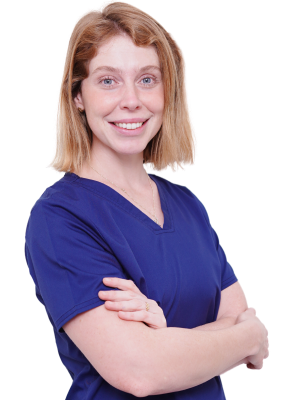
Dr. Carolina Arboleya is an obstetrician and gynecologist, specializing in assisted reproduction (IVF). She earned her specialty at the prestigious Hospital Universitario La Paz in Madrid, Spain, and completed a master’s in Assisted Reproduction and Fertility at the Technological University TECH. She is also committed to continuous professional development, regularly participating in conferences advanced training to stay at the forefront of fertility medicine.
With over five years of experience working with patients facing infertility, she is skilled in both diagnostic and surgical fertility procedures. She has a particular interest in treating unexplained infertility and endometriosis, providing care with precision and compassion.
Dr. Arboleya is fluent in Spanish, English, and French, and has basic knowledge of Portuguese and Italian.
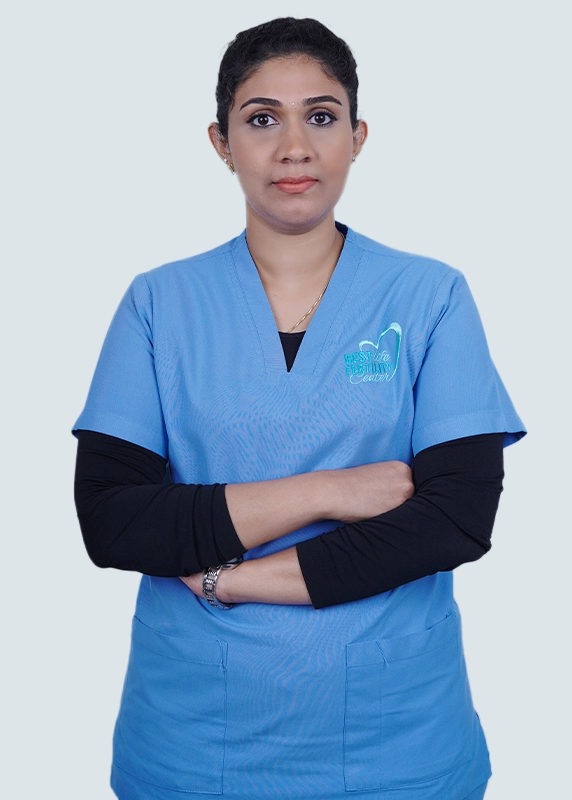
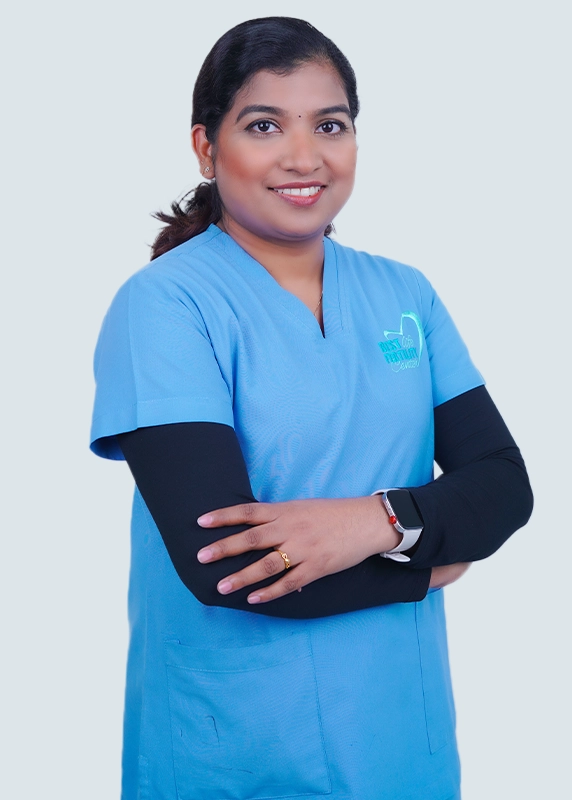
Over 10 years of nursing experience
Bachelor of Science in Nursing from GSL College of Nursing
Employee of the Month Award at Saudi German Hospital
Languages: English/Indian/Malayalam
Clinical embryologist with hands-on experience in ovum pick-up, denudation, ICSI, cryopreservation, embryo transfer, and lab quality control
Trained in core assisted reproductive techniques and embryology lab operations
Skilled in embryology lab procedures ensuring quality assurance and optimal outcomes
Areas of expertise include Embryology, ICSI, Cryopreservation, Embryo Transfer, and IVF Lab Management
Languages: English, Arabic
Certified anesthesia technician with a diploma in medical sciences from Damascus University
Over 6 years of experience assisting anesthesiologists in the operating room with pre-anesthesia procedures and providing general/regional anesthesia
Responsible for anesthesia records, patient positioning during spinal and epidural anesthesia, and ensuring patient safety before, during, and after anesthesia
Experienced in intravascular catheterization and supporting CPR in the ICU with a component support team
Familiar with a variety of equipment, including the Boyle anesthesia machine, injection pumps, and fiber optic bronchoscopes
Excellent communication skills, compassionate, and dedicated to continuous learning and growth
Languages: Arabic, English
Over 20 years of experience in anesthesiology
Specialization in general anesthesia, regional anesthesia, spine, epidural, fertility, and intensive care patient management
Expertise in patient care and safety, making him a leader in the field of anesthesiology
Languages: English, Russian, Arabic
Master’s Degree in Biotechnology in Human Assisted Reproduction and Embryology from the University of Valencia, Spain
Over 9 years of experience in assisted fertilization technology, specializing in embryology and performing advanced IVF procedures abroad
Expertise in quality control in embryology and andrology laboratories
Experienced in management and communication with fertility patients
Languages: Russian, Arabic, English
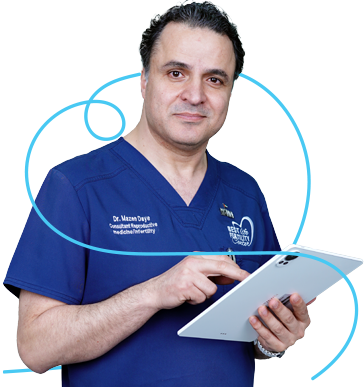
Dr. Mazen is a renowned fertility specialist and expert in Reproductive Endocrinology and Infertility, with over two decades of experience in the field. His deep knowledge and compassionate approach have made him one of the most trusted names in fertility care.
He is widely recognized as one of the top IVF doctors in Dubai, offering advanced reproductive treatments tailored to each patient’s unique needs. Dr. Mazen combines cutting-edge technology with personalized care to maximize success rates and ensure the best outcomes.
Committed to helping couples fulfill their dreams of parenthood, Dr. Mazen has built a strong reputation for excellence, empathy, and dedication. His clinic is a destination for patients seeking expert guidance and world-class fertility solutions.
Education:
Saint Petersburg I.P. Pavlov State Medical University, Russia (Primary Medical Qualification – PMQ)
Russian Academy for Medical Sciences, (Specialty Training and PhD)