| 🔍 Quick Answer
What is the best female fertility treatment in Dubai? There is no single best treatment — the right option (ovulation induction, IUI, IVF, ICSI, PGT, or fertility preservation) depends entirely on your specific diagnosis, age, and ovarian reserve, determined through a complete fertility evaluation. |
Treatment Is Not a Single Path — It’s a Decision Tree
Ask ten women who have been through fertility treatment in Dubai what their journey looked like, and you will likely hear ten different stories. One started with a simple medication to regulate ovulation. Another moved straight to IVF because her fallopian tubes were blocked. A third needed two rounds of egg retrieval because of diminished ovarian reserve. This variation is not inconsistency in care — it is exactly what good fertility medicine looks like.
Finding the best female fertility treatments in Dubai is not about identifying one “top” procedure that works for everyone. It is about finding a clinic and a specialist who can accurately match the right treatment, from a genuine spectrum of options, to your specific diagnosis, age, and goals. This guide walks through that full spectrum — what each treatment actually involves, who it tends to suit, and how the decision gets made.
Step One: Treatment Selection Starts With Diagnosis, Not Preference
Before any treatment decision is made, a comprehensive evaluation should establish what is actually driving the fertility difficulty — hormonal, structural, ovarian, or otherwise. This typically includes hormone blood tests, transvaginal ultrasound, and, depending on findings, tubal assessment or further imaging.
This sequencing matters because it prevents two common mistakes: under-treating (trying simpler interventions when the diagnosis clearly calls for IVF) and over-treating (jumping straight to IVF when a more conservative, less invasive option would likely succeed). The best female fertility treatment in Dubai is, by definition, the one matched correctly to your diagnosis — not the most advanced one available, and not the cheapest one offered.
Treatment Option 1: Ovulation Induction
For women with ovulatory dysfunction — most commonly due to PCOS — ovulation induction is often the appropriate first-line treatment. Oral medications such as letrozole or clomiphene citrate stimulate the ovaries to release an egg on a more predictable schedule, often combined with cycle monitoring via ultrasound to track follicle development and time intercourse or insemination accordingly.
This approach is suitable when fallopian tubes are open, sperm parameters are normal, and the primary issue is irregular or absent ovulation. Success rates per cycle are meaningful, and many women conceive within several monitored cycles.
Treatment Option 2: Intrauterine Insemination (IUI)
IUI involves placing specially prepared, concentrated sperm directly into the uterus around the time of ovulation, bypassing the cervix and improving the chances that sperm reach the fallopian tubes at the optimal time.
IUI tends to be recommended for:
- Mild male factor infertility
- Unexplained infertility (as an initial, less invasive step before IVF)
- Couples using donor sperm
- Cervical factor issues affecting natural sperm transport
It is less invasive and more affordable than IVF, but success rates per cycle are lower, and tubal patency and reasonably normal sperm parameters are prerequisites for it to be a sensible option.
Treatment Option 3: In Vitro Fertilisation (IVF)
IVF remains the most established and widely used assisted reproductive technology, and for many female infertility causes, it is the most direct and effective route to pregnancy. The process involves:
- Ovarian stimulation — hormone injections stimulate the ovaries to produce multiple mature eggs in a single cycle
- Egg retrieval — a minimally invasive, ultrasound-guided procedure performed under sedation
- Fertilisation — eggs are combined with sperm in the laboratory
- Embryo culture — fertilised embryos develop for three to five days under controlled laboratory conditions
- Embryo transfer — one or two healthy embryos are placed into the uterus
IVF is the appropriate recommendation when fallopian tubes are blocked or absent, when ovulation induction and IUI have not succeeded, when ovarian reserve is significantly reduced (allowing for more controlled, efficient use of available eggs), or when male factor infertility requires laboratory-based fertilisation.
Treatment Option 4: ICSI (Intracytoplasmic Sperm Injection)
ICSI is a refinement of the IVF process used specifically when male factor infertility is a significant contributing issue — low sperm count, poor motility, or abnormal morphology. Rather than allowing sperm to fertilise the egg independently in a laboratory dish, a single sperm is selected and injected directly into the egg under microscopic guidance.
ICSI does not replace IVF — it is performed as part of an IVF cycle and significantly improves fertilisation rates in cases of male factor infertility, including when sperm has been surgically retrieved.
Treatment Option 5: Preimplantation Genetic Testing (PGT)
For women over 35, those with a history of recurrent pregnancy loss, or couples with known genetic risk factors, PGT allows embryos to be screened for chromosomal abnormalities before transfer. This can improve implantation rates, reduce miscarriage risk, and lower the chance of a chromosomal condition being passed to the child.
PGT is an add-on to IVF rather than a standalone treatment, and your specialist will advise whether it is appropriate based on your specific risk profile.
Treatment Option 6: Fertility Preservation (Egg Freezing)
For women who are not yet ready to pursue pregnancy — whether for personal, career, or medical reasons — egg freezing preserves current egg quality and quantity for future use. This is particularly relevant for women diagnosed with diminished ovarian reserve at a younger age, or those facing medical treatment (such as chemotherapy) that could affect future fertility.
The process mirrors the early stages of IVF — ovarian stimulation and egg retrieval — but the eggs are frozen immediately rather than fertilised, to be thawed and used at a later date.
Treatment Option 7: Surgical Treatment
In specific cases, surgery addresses the underlying cause directly, sometimes restoring natural fertility without further intervention:
- Laparoscopic treatment of endometriosis — removing or treating endometrial tissue and adhesions
- Hysteroscopic removal of fibroids or polyps — particularly those distorting the uterine cavity
- Tubal surgery — in select cases, repairing rather than bypassing blocked fallopian tubes
- Correction of uterine abnormalities — such as septate uterus resection
Surgery is generally considered when a specific, correctable structural issue has been identified, and is often combined with — rather than replacing — assisted reproductive treatment depending on the overall fertility picture.
How to Evaluate Whether You’re Getting the Best Female Fertility Treatments in Dubai
Choosing where to receive care matters as much as choosing the right treatment category. Here is what distinguishes excellent fertility care from average care:
A genuine diagnosis-first approach: The clinic should never recommend IVF (or any treatment) without a complete diagnostic workup explaining why that treatment is the right fit for you specifically. This principle is consistent with evidence-based ASRM treatment guidelines, which emphasise individualised treatment selection over a one-size-fits-all approach, even for couples with the same diagnosis.
Transparent, contextualised success rates: Look for clinics that share live birth rates by age group and treatment type — not just a single headline percentage without context.
Integrated male and female evaluation: Since male factor infertility is involved in close to half of all cases, the best clinics evaluate both partners from the outset rather than treating the female partner in isolation.
A specialist who explains, not just prescribes: You should leave every consultation understanding why your specific treatment plan was chosen — not simply what the next appointment involves.
Continuity of care: A consistent relationship with your fertility specialist throughout your journey, rather than rotating between different doctors at each visit, supports better-informed, more personalised decision-making.
Why Couples Choose Best Life Fertility Center
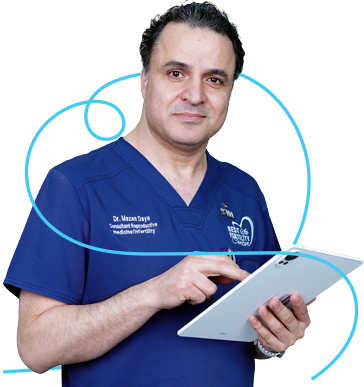
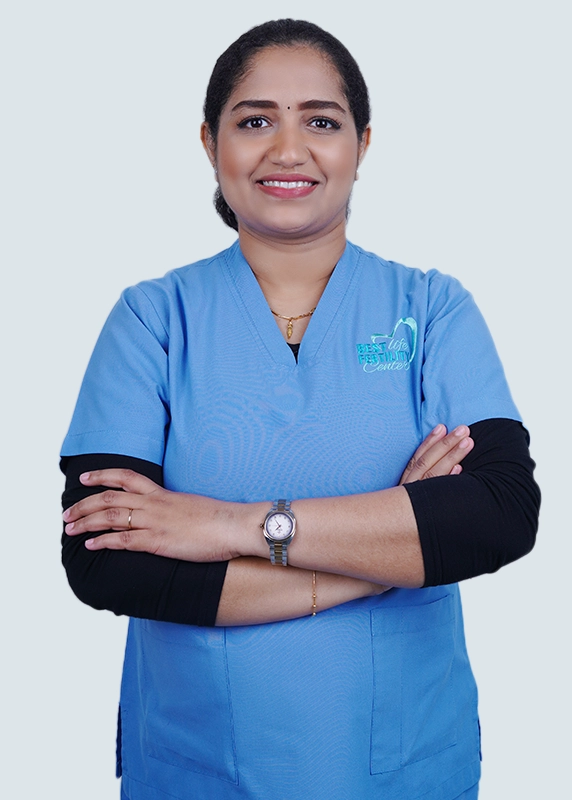
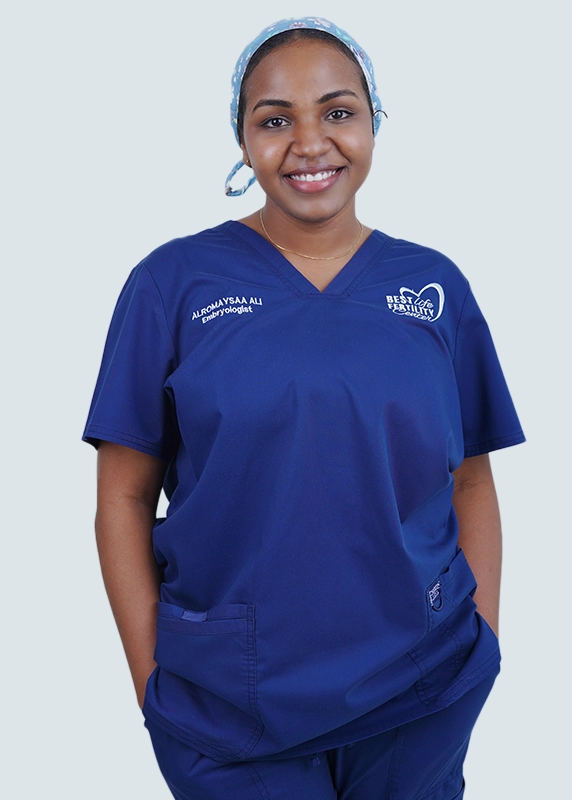
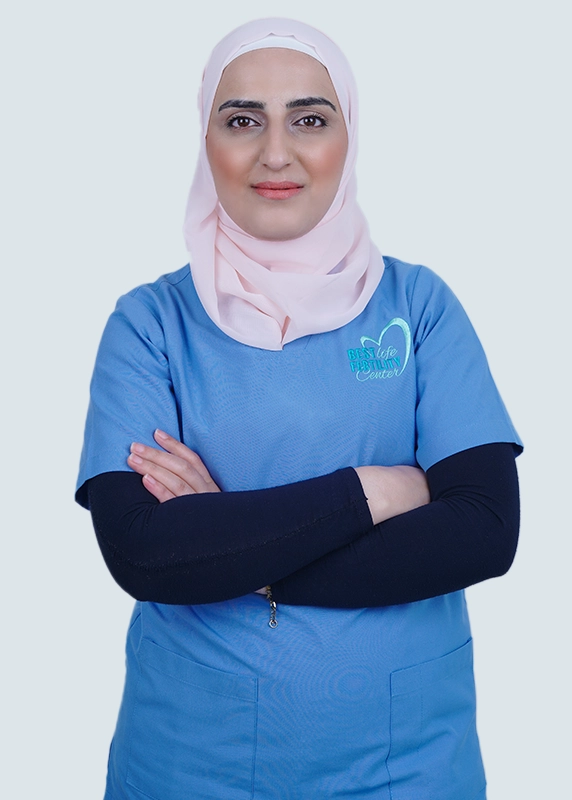
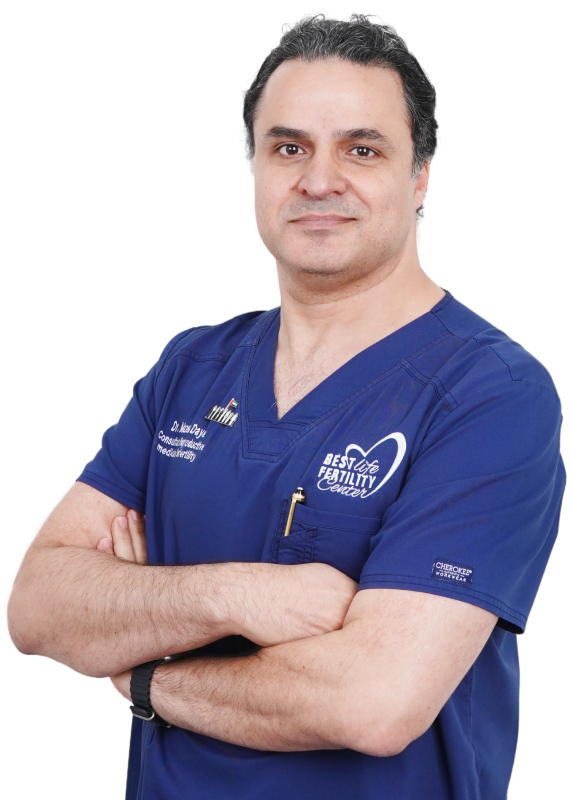
At Best Life Fertility Center, the full spectrum of treatments outlined above — from ovulation induction through to IVF, ICSI, PGT, and fertility preservation — is available under one roof, led by a multidisciplinary team that includes Dr. Mazen Al-Dayeh, a Reproductive Endocrinology and Infertility specialist with over two decades of experience, and Dr. Carolina Arboleya, an obstetrician-gynaecologist specialising in assisted reproduction with particular expertise in unexplained infertility and endometriosis.
Every treatment plan begins with a complete diagnostic picture, ensuring that the path recommended to you is the one most likely to work for your specific situation — not a default protocol applied broadly.
Conclusion
The best female fertility treatment in Dubai is never a single procedure — it is the treatment that has been correctly matched to your specific diagnosis, age, and reproductive goals, delivered by a specialist who takes the time to explain why. Whether that means ovulation induction, IUI, IVF with or without ICSI, PGT, or fertility preservation, the right choice becomes clear once a thorough evaluation has taken place.
At Best Life Fertility Center, our specialists are committed to guiding every patient through exactly that decision-making process — with clarity, evidence, and genuine care at every step.
Book your consultation at Best Life Fertility Center →
Frequently Asked Questions
Q: What is the best female fertility treatment in Dubai for someone over 38?
This depends on ovarian reserve testing results, but IVF is often recommended earlier for women over 38 to make efficient use of remaining egg quality and quantity.
Q: Is IUI or IVF the better first step?
It depends on diagnosis. IUI suits mild male factor or unexplained infertility with open tubes; IVF is necessary when tubes are blocked or other factors apply.
Q: How do I know if I need ICSI alongside IVF?
ICSI is recommended when semen analysis shows significant male factor infertility, such as low sperm count, poor motility, or abnormal sperm shape.
Q: Can fertility preservation help if I’m not ready to conceive yet?
Yes. Egg freezing preserves current egg quality, which is especially valuable for women with diminished ovarian reserve or upcoming medical treatments.
Q: How long does a full IVF cycle typically take in Dubai?
A complete IVF cycle, from ovarian stimulation through to embryo transfer, typically takes four to six weeks, depending on individual response.