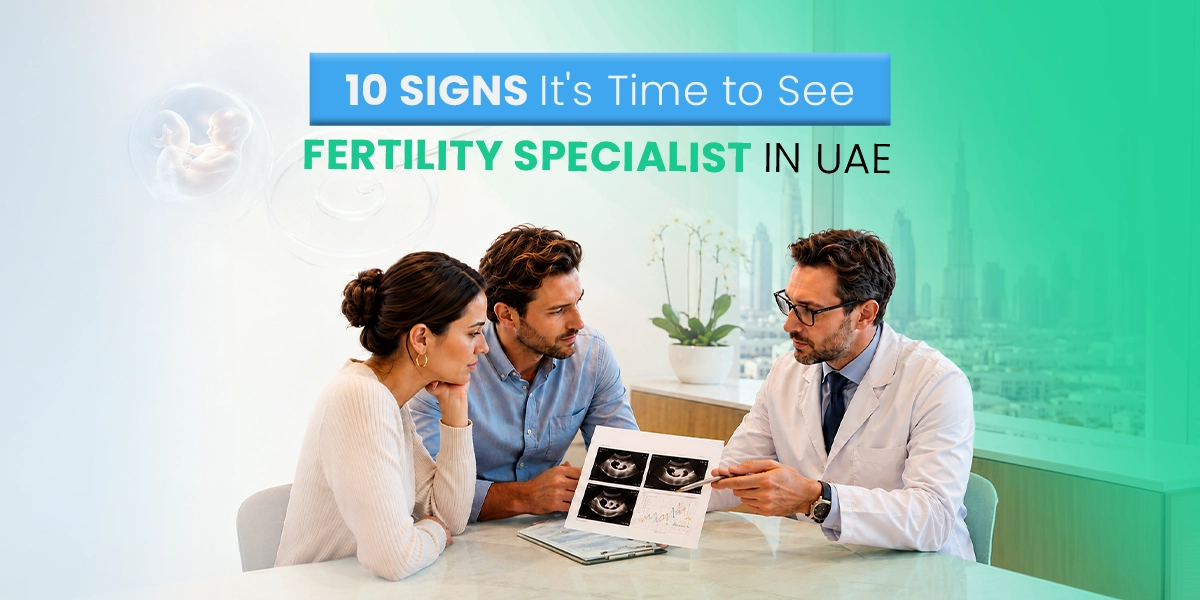
One of the most common questions couples ask when they are trying to conceive is: Are we being impatient, or could there be a fertility issue? It’s a deeply personal and valid concern—and there is absolutely no hesitation in seeking clarity.
The reality is that many couples delay visiting a fertility specialist in UAE, often waiting longer than medically recommended. Cultural expectations, privacy concerns, and limited awareness about when to seek fertility advice can all contribute to this delay.
However, timing plays a crucial role. Knowing the early signs of potential fertility challenges can help you take the right step at the right time.
In this guide, we outline 10 medically recognized signs that indicate it may be time to consult a fertility doctor in UAE. Seeking professional advice early can expand your treatment options, improve outcomes, and bring you closer to achieving your goal of starting a family.
How Long Should You Try Before Seeing a Fertility Specialist?
Before we look at the 10 signs, let’s address one of the most common questions:
How long is it normal to try to conceive before seeking medical advice?
The answer depends largely on age, medical history, and any known reproductive conditions. Below are general medical guidelines used by fertility specialists worldwide, including in the UAE:
General Timeline for Seeking Fertility Advice
- Under 35, No Known Issues : Try for up to 12 months with regular, unprotected intercourse. If unsuccessful, consider planning a consultation.
- Age 35–39 : Seek medical advice if pregnancy has not occurred after 6 months of trying.
- Age 40 or Above : Do not delay—consult a fertility specialist as early as possible.
- Known Reproductive Conditions : If you have conditions like PCOS or endometriosis, early consultation is recommended before or soon after trying.
- Recurrent Miscarriages : If you have experienced two or more miscarriages, seek medical evaluation without delay.
- Male Fertility Concerns : If there are known sperm-related issues, consult a specialist immediately.
Why Timing Matters
Fertility naturally declines with age, and some underlying conditions may not show obvious symptoms. Seeking advice at the right time can:
- Improve your chances of natural conception
- Provide access to less invasive treatment options
- Prevent unnecessary delays in diagnosis
These are general guidelines. If any of the 10 signs of fertility issues listed below apply to you, these timelines may no longer be relevant. In such cases, it is best to consult a fertility doctor in the UAE as early as possible.
If you are just starting your journey, understanding your options can make a big difference. Our detailed guide on what IVF is and how it works explains the process step by step—helping you feel informed, prepared, and confident before your first consultation. |
 New to Fertility Treatment?
Sign 1: Irregular, Absent, or Unpredictable Periods
 Female Fertility
Your menstrual cycle is more than just a monthly occurrence—it is one of the most important indicators of your reproductive health and ovulation. A regular cycle (typically every 24 to 35 days) usually means your body is ovulating consistently, which is essential for natural conception.
However, if your periods are irregular, unpredictable, or absent, it may indicate that ovulation is not happening regularly—or at all. Without ovulation, pregnancy cannot occur.
When Should You Be Concerned?
You may need to consult for fertility care in the UAE if you experience:
- Fewer than 8 periods per year
- Cycles shorter than 21 days or longer than 35 days
- Periods that stop completely for 3 months or more (not due to pregnancy or breastfeeding)
- Extremely light or unusually heavy bleeding (e.g., soaking through products within an hour)
Irregular cycles are often caused by PCOS (polycystic ovary syndrome), thyroid disorders, low body weight, excessive exercise, hyper prolactinoma, or premature ovarian insufficiency. All of these are diagnosable and treatable with proper specialist care. |
Sign 2: PCOS or Hormonal Imbalance
 A Common Cause of Fertility Challenges in the UAE
Polycystic ovary syndrome (PCOS) is one of the most common causes of female infertility, affecting an estimated 5–15% of women of reproductive age worldwide. Despite its name, PCOS is primarily a hormonal imbalance that interferes with regular ovulation.
Why PCOS Matters
When hormones are not balanced, the ovaries may not release eggs regularly, making it more difficult to conceive naturally. However, PCOS is also one of the most manageable fertility conditions, and many women successfully conceive with proper treatment.
Common Signs of PCOS or Hormonal Imbalance
You may consider evaluation if you notice:
- Irregular or missed periods
- Excess facial or body hair (hirsutism)
- Persistent acne beyond teenage years
- Difficulty losing weight
- Thinning hair on the scalp
- Darkened skin patches (neck, underarms, or groin)
Studies suggest that PCOS may be more prevalent in the Middle East, potentially linked to lifestyle factors such as diet and physical activity levels. If you notice any of these symptoms, early evaluation is important. Diagnosis typically involves blood tests and ultrasound, and early treatment can significantly improve fertility outcomes. |
Struggling with PCOS?
If you have been diagnosed with PCOS or suspect a hormonal imbalance, understanding your options is the first step.
Our detailed guide on PCOS treatment in Dubai, UAE explains how fertility specialists diagnose and manage the condition—and the treatment pathways available to support pregnancy.
Sign 3: Two or More Miscarriages (Recurrent Pregnancy Loss)
 Requires Early Specialist Evaluation
A single miscarriage, while devastating, is unfortunately common — it affects approximately 1 in 5 confirmed pregnancies, often due to chromosomal irregularities that no treatment can prevent. However, losing two or more pregnancies is called recurrent pregnancy loss (RPL) and is a distinct medical condition that warrants thorough investigation.
Recurrent miscarriage is not “just bad luck.” In most cases, there is an underlying, identifiable, and treatable reason. The most common causes include:
- Chromosomal abnormalities in the embryo
- Uterine conditions (fibroids, polyps, septate uterus)
- Antiphospholipid syndrome (immune-related clotting disorder)
- Thyroid dysfunction or uncontrolled diabetes
- Hormonal imbalances (e.g., low progesterone)
- Age-related egg quality decline (especially over 35)
After two miscarriages, your fertility doctor will order a targeted panel of tests — including karyotyping of both partners, uterine imaging, thrombophilia screen, hormonal profile, and possibly genetic testing of the embryo tissue from a prior loss. Most causes are treatable once identified. |
Sign 4: Severe Period Pain or Suspected Endometriosis
 Endometriosis & Pelvic Pain Often Underdiagnosed
While mild period discomfort is common, severe or worsening pain is not normal and should never be dismissed. If your period pain interferes with daily life or is getting worse over time, it may be a sign of endometriosis—a condition where tissue similar to the uterine lining grows outside the uterus. This can affect fertility by causing inflammation, adhesions, and blocked fallopian tubes.
Symptoms That May Indicate Endometriosis
- Severe menstrual pain affecting work or daily activities
- Pain during or after intercourse
- Painful bowel movements or urination during periods
- Chronic pelvic pain outside menstruation
- Bloating, fatigue, or nausea around periods
- Heavy menstrual bleeding with clots
Endometriosis affects around 1 in 10 women globally and is a leading cause of infertility. Although definitive diagnosis may require laparoscopy, an experienced specialist can identify warning signs early and guide you toward:
Early treatment can significantly improve your chances of natural conception or IVF success. |
Sign 5: Age 35+ and Trying to Conceive
Age-Related Fertility Decline
Age is the most important factor affecting female fertility. Women are born with a fixed number of eggs, and both quantity and quality decline over time, especially after age 35.
By age 35, Around 50% of eggs may have chromosomal abnormalities. By age 40, this can increase to 80–90%, affecting both conception and miscarriage risk.
This is precisely why consulting a fertility specialist in UAE as early as possible — rather than waiting for a full year — is strongly recommended for women over 35. Every cycle matters, and earlier evaluation means more treatment options remain available to you.
What This Means for You
- Age 35–39: Seek help after 6 months of trying
- Age 40+: Do not wait—consult a specialist immediately
- Age 30–34 (planning later): Consider a fertility assessment (AMH test)
Many couples in the UAE delay pregnancy due to career or life circumstances. A proactive fertility check can help you to understand your ovarian reserve, plan naturally or medically and explore options like egg freezing. Time is the one thing we cannot give back to patients. The earlier you come to us, the more we can do — and the more choices you will have.” — Best Life Fertility Center, Sharjah & Dubai |
 Plan Early, Stay In Control
Sign 6: Male Fertility Concerns
 Male Factor Infertility – Accounts for 40–50% of Cases
Infertility is not only a female issue. Male factors contribute to nearly half of all infertility cases. Yet many couples delay evaluating the male partner, losing valuable time.
A semen analysis is one of the simplest, most affordable, and most informative fertility tests available. It evaluates sperm count, motility (movement), and morphology (shape) — all of which affect the ability to fertilize an egg.
When Should a Male Fertility Evaluation Be Done?
- Previous semen analysis showing low count, poor motility, or abnormal morphology
- History of undescended testicles (orchiopexy)
- Varicocele — enlarged veins in the scrotum (often visible or palpable)
- Previous testicular injury, surgery, or infection (e.g. mumps orchitis)
- History of chemotherapy or radiotherapy for cancer
- Erectile dysfunction or difficulty ejaculating
- Genetic conditions such as Klinefelter syndrome or cystic fibrosis gene mutations
- History of anabolic steroid or testosterone use (suppresses natural sperm
production)
Even if a semen analysis result comes back as “normal,” there are more advanced sperm tests — including DNA fragmentation analysis and sperm chromatin integrity tests — that can identify subtle male factors. Ask your fertility specialist about these if IUI or IVF have failed unexpectedly. |
Sign 7: A History of Pelvic Infections, STIs, or Reproductive Surgery
 Prior Pelvic Infection, STI, or Surgery – Risk of Tubal Damage
Certain past medical events can cause silent but significant damage to the reproductive organs—particularly the fallopian tubes—without obvious symptoms. Blocked or damaged fallopian tubes are a major cause of female infertility, accounting for approximately 25–35% of cases.
Medical Events That May Affect Fertility
The following conditions or procedures can lead to scarring, adhesions, or structural changes that interfere with conception:
- Pelvic Inflammatory Disease (PID):
Often caused by untreated infections such as chlamydia or gonorrhoea. PID can lead to scarring inside the fallopian tubes, preventing the egg and sperm from meeting. - Sexually Transmitted Infections (STIs):
Infections like chlamydia are frequently asymptomatic but can cause long-term tubal damage if left untreated. - Ruptured appendicitis:
Infection and inflammation in the abdomen can lead to adhesions affecting nearby reproductive structures. - Previous abdominal or pelvic surgery:
Procedures such as ovarian cyst removal, fibroid surgery, or caesarean section may result in scar tissue that impacts the fallopian tubes or uterine cavity. - History of ectopic pregnancy:
A pregnancy that develops in the fallopian tube can damage the tube, particularly if rupture has occurred.
A hysterosalpingogram (HSG) is an X-ray procedure that checks whether |
 Key Test to Consider
Sign 8: A History of Cancer Treatment
 Fertility Preservation and Assessment
Cancer treatments, including chemotherapy and radiotherapy, can have a significant impact on fertility in both men and women. The extent of damage depends on the type of treatment, the doses given, and which area of the body was treated.
How Cancer Treatment Affects Fertility
- Chemotherapy:
Certain medications—particularly alkylating agents—can damage eggs and sperm, sometimes permanently. - Radiotherapy (pelvic or abdominal):
May affect ovarian function, uterine health, or sperm production depending on the treatment field. - Hormonal therapies:
Treatments for breast or prostate cancer may suppress fertility during treatment and sometimes beyond.
Speak to your oncology team about fertility preservation before treatment begins. Egg freezing, embryo freezing, or sperm banking before chemotherapy starts is the best way to protect your future fertility. At Best Life Fertility, we work with oncology teams across the UAE to offer urgent, fast-tracked fertility preservation cycles. |
Sign 9: Thyroid Disorders, Diabetes, or Other Hormonal Conditions
 Systemic Health Conditions and Fertility
Many underlying health conditions can directly affect fertility by disrupting hormonal balance, ovulation, sperm quality, or implantation. In the UAE, where conditions such as thyroid disorders and type 2 diabetes are relatively common, this is an especially important factor to consider.
Thyroid Disorders and Fertility
Both an underactive thyroid (hypothyroidism) and an overactive thyroid (hyperthyroidism) can disrupt the hormonal signaling needed for ovulation.
Even a subclinical underactive thyroid — where TSH levels are slightly elevated
but below the diagnostic threshold for hypothyroidism — can reduce IVF success
rates and increase miscarriage risk. Every woman seeking fertility treatment
should have her thyroid function tested.
Diabetes and Reproductive Health
Uncontrolled blood sugar levels can impact:
- Hormone regulation
- Egg and sperm quality
- Uterine environment
For women planning pregnancy:
- Optimal blood sugar control is critical
- An HbA1c below 6.5% is generally recommended before conception
Poorly controlled diabetes in early pregnancy increases the risk of:
- Miscarriage
- Congenital abnormalities
Prolactin and Ovulation
Elevated prolactin (the hormone that stimulates breast milk production) can suppress ovulation even in women who are not breastfeeding. This is called hyperprolactinemia, and it is a surprisingly common and easily treatable cause of infertility that is often missed until a blood test is run.
|
Sign 10: Planning Parenthood as a Single Individual or a homosexual Partnership
 Fertility Planning and Assisted Reproduction
Fertility care is not only for those experiencing medical infertility—it also supports individuals and couples who require medical assistance to build their families.
If you are planning parenthood as a single individual or within a non-traditional family structure, a fertility consultation is the first step toward understanding your options.
When to Seek Fertility Guidance
You may benefit from early consultation if you are:
- Planning to delay parenthood and considering fertility preservation
- Interested in understanding your current fertility status (AMH testing, ovarian reserve)
- Exploring future family-building options within medical and legal frameworks
Fertility Planning Options
A consultation may include discussions around:
- Egg freezing for women planning pregnancy later
- Sperm freezing for men or prior to medical treatments
- Fertility assessment and long-term planning
- Understanding timelines and success factors
Our team provides a safe, private, and non-judgmental space for every patient — regardless of their background, nationality, or family structure. Your first consultation is an opportunity to ask questions, understand your choices, and plan your next steps—without pressure or obligation. |
 A Supportive and Confidential Approach
What Happens at Your First Fertility Appointment?
Many people delay seeing a specialist because they don’t know what to expect. Here is exactly what happens when you book a first consultation with a fertility specialist in UAE at Best Life Fertility Centre:
Step 1: Your Medical History
Your doctor will spend time understanding your full picture — your cycle
regularity, previous pregnancies or losses, known medical conditions,
medications, lifestyle, and how long you have been trying. Both partners are
encouraged to attend. This conversation is private and completely confidential.
Step 2: Initial Examination
For women, this typically includes a pelvic ultrasound scan — a gentle, painless
vaginal ultrasound that allows your doctor to view the uterus and ovaries clearly,
check the antral follicle count (an indicator of egg reserve), and identify any
structural issues like fibroids, polyps, or ovarian cysts.
Step 3: Blood Tests
A targeted hormone panel is usually ordered — this typically includes AMH
(ovarian reserve), FSH, LH, oestradiol, prolactin, thyroid function (TSH, free T4),
and progesterone. Results usually come back within a few days and give a clear
hormonal picture.
Step 4: Semen Analysis for the Male Partner
A semen analysis evaluates sperm count, motility, and morphology. It is a simple,
non-invasive test done at the clinic. This should always be done early — it is one
of the fastest and most informative tests in fertility medicine.
Step 5: Your Personalized Plan
Once results are in, your doctor will present a clear, individualized plan —
whether that is trying a few more months with monitoring support, starting
ovulation induction, proceeding to IUI, or moving directly to IVF or ICSI
treatment. Nothing is forced — you are always in control of your next steps.
Fertility Tests Explained in Simple Terms
Below is a quick-reference guide to the most common fertility tests. These are explained in plain language to help you feel informed and confident.
Test Name | What It Measures | Who It’s For | Typical Reference Range |
AMH (Anti-Müllerian Hormone) | Ovarian reserve (egg supply) | Women (all ages) | ~1.0–3.5 ng/mL (varies by age & lab) |
FSH (Day 2–3) | Ovarian function | Women | ~3–10 IU/L |
LH | Ovulation hormone | Women | ~2–15 IU/L |
Progesterone (Day 21) | Confirms ovulation | Women | >30 nmol/L |
TSH (Thyroid) | Thyroid function | Women & men | ~0.4–2.5 mIU/L when trying |
Prolactin | Can suppress ovulation if high | Women | <25 ng/mL |
AFC (Ultrasound) | Egg reserve (follicle count) | Women | ~10–20 follicles total |
HSG | Fallopian tube patency & uterus | Women | Tubes open; normal cavity |
Semen Analysis | Sperm count, motility, morphology | Men | Count >16M/mL; Motility >42%; Morphology >4% |
DNA Fragmentation Test | Sperm DNA quality | Men (specific cases) | DFI <15% |
Your fertility specialist will recommend only the tests that are relevant to your individual situation and medical history. You will never be pushed into unnecessary investigations. All recommendations are evidence-based, clearly explained, and tailored to you. |
Conclusion:
Fertility is time-sensitive — particularly after the age of 35. Waiting without clear information can limit your future options, while early consultation provides clarity, control, and in many cases, simple reassurance.
At Best Life Fertility Centre, consulting a trusted fertility specialist in UAE means receiving confidential, culturally sensitive care backed by world-class expertise — in a warm, human setting that treats you as a person, not a patient number. Whether you are just beginning to think about your fertility or have been trying for some time, your journey can begin with a single conversation.
Frequently Asked Questions
1: When should I see a fertility specialist in the UAE?
See a fertility specialist after 12 months of trying if you’re under 35, or after 6 months if you’re 35–39. If you’re 40 or above, consult immediately without waiting.
2: What does a fertility specialist do on the first visit?
A fertility specialist reviews your medical history, performs a pelvic ultrasound, orders hormone blood tests, and recommends a semen analysis — then builds a personalised treatment plan.
3: Can PCOS be treated to achieve pregnancy in the UAE?
Yes. PCOS is one of the most manageable fertility conditions. With proper hormonal treatment and ovulation support, many women with PCOS successfully conceive — naturally or through IVF.
4: Is male infertility treatable at fertility clinics in Dubai?
Yes. Male infertility — including low sperm count and poor motility — is treated using ICSI, advanced sperm retrieval techniques, and targeted lifestyle or hormonal interventions at specialist fertility clinics.
5: How much does a fertility consultation cost in the UAE?
Initial fertility consultation costs in the UAE typically range from AED 400–800 depending on the clinic and tests included. Best Life Fertility Centre offers a comprehensive first consultation — contact the clinic directly for current pricing.