Quick Answer:
Ovarian hyperstimulation syndrome (OHSS) is a complication of fertility treatment. The ovaries swell, and fluid collects in the abdomen. It usually happens when the ovaries react too strongly to the medications used in IVF. Symptoms run from mild bloating and discomfort to more serious problems like passing less urine or having trouble breathing. Most cases are mild. Catching symptoms early and following your fertility specialist’s advice makes complications much less likely.
What Is Ovarian Hyperstimulation Syndrome?
In IVF, medications stimulate the ovaries to grow several follicles, so more eggs are available for collection. Now and then, the ovaries overreact.
When that happens, hormone levels shift and blood vessels become leakier. Fluid seeps into nearby tissues and collects in the abdomen, which brings on swelling, discomfort and the other signs of OHSS.
Injectable fertility medications are the most common link. Not everyone undergoing ovarian stimulation develops OHSS, and the severity can vary from person to person.
Common Symptoms of OHSS
Symptoms often start within a few days of the trigger injection or egg retrieval. A little bloating is normal after some fertility procedures. But if it becomes more noticeable or keeps getting worse, don’t ignore it.
Mild to Moderate Symptoms
These may include:
- Abdominal bloating or swelling
- Mild to moderate abdominal pain or discomfort
- Nausea, sometimes with vomiting
- A feeling of fullness in the abdomen
- Weight gain from fluid build-up
These often settle with monitoring and supportive care. Either way, let your fertility team know about any new symptom after treatment.
Signs That Need Urgent Medical Attention
In severe cases, the fluid shifts affect circulation. That can strain the kidneys and raise the risk of blood clots.
Get urgent medical help if you have severe or worsening abdominal pain, persistent vomiting, rapid weight gain or much less urine than usual. Shortness of breath, chest pain, or pain and swelling in one leg are emergencies.
Causes and Risk Factors for OHSS
OHSS usually follows an excessive ovarian response to fertility medication. Human chorionic gonadotropin (hCG), which is sometimes used to trigger final egg maturation, plays a key part.
A few factors raise the odds:
- Polycystic ovary syndrome (PCOS): Some women with PCOS respond more strongly to ovarian stimulation.
- A high number of developing follicles: A large count may point to higher risk.
- High oestrogen levels: Hormone readings during stimulation can reveal an excessive response.
- Previous OHSS: If you’ve had it before, it’s more likely to return in later cycles.
- Pregnancy following treatment: Pregnancy hormones can make OHSS last longer or turn more severe.
Having one or more of these doesn’t mean you’ll get OHSS. Your fertility specialist will track how you respond to the medication and adjust your plan if needed.
How Is OHSS Diagnosed?
If OHSS is suspected, your doctor will go through your symptoms, your recent treatment and your medical history. The assessment may include:
- Ultrasound: To check for enlarged ovaries and fluid in the abdomen.
- Blood tests: To look at kidney function, blood concentration and electrolyte levels.
- Clinical assessment: To examine abdominal swelling and hydration, and to check for signs of complications.
Together, these results show whether you can be managed at home with regular follow-up or need hospital care.
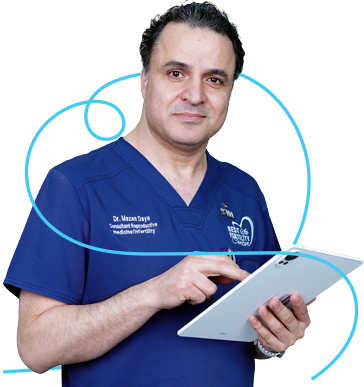
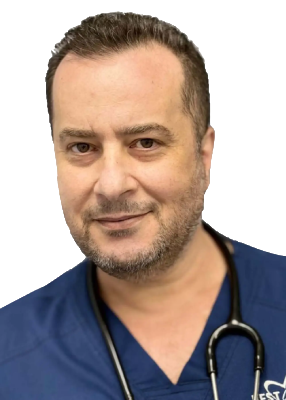
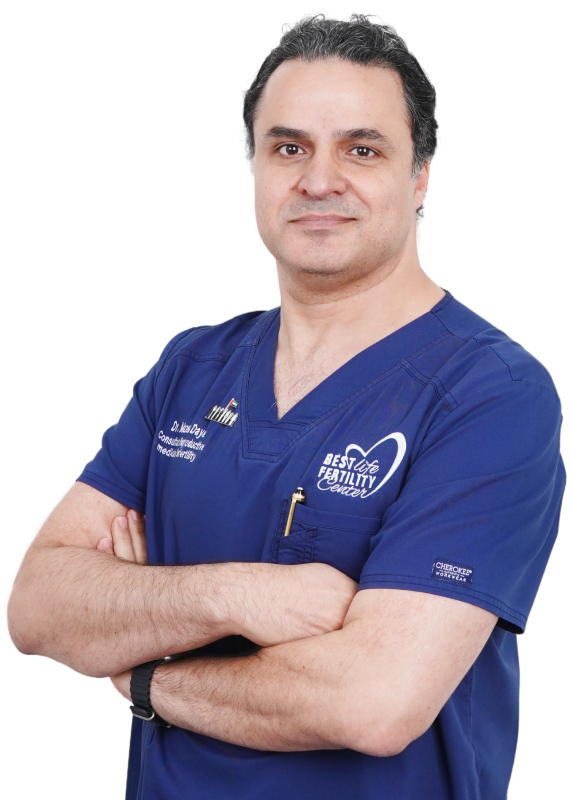
“OHSS can affect women differently, and the symptoms may range from mild discomfort to more serious complications. During fertility treatment, we carefully monitor each patient and take steps to reduce the risk of OHSS. If symptoms do occur, early assessment helps us provide the right care and support.”
– Dr. Mazen Dayeh, Reproductive Medicine and Infertility Consultant
What Treatments Are Available for OHSS?
Treatment depends on how severe things are. Mild cases usually improve within one to two weeks, though recovery takes longer if you become pregnant.
Managing Mild OHSS
Your doctor may ask you to keep a record of your weight, swelling and urine output. Drinking fluids as advised and taking the recommended pain relief will ease discomfort.
Treatment for More Severe OHSS
When symptoms get more serious, hospital care may be needed. This can mean fluids through a vein, close monitoring and, if necessary, draining excess fluid from the abdomen. Your doctor may also prescribe medication to lower the risk of blood clots. If symptoms get worse, contact your fertility team promptly.
Can OHSS Be Prevented During IVF?
It can’t always be prevented, but careful planning and monitoring cut the risk considerably.
Specialists often tailor medication doses to your medical history and how your ovaries respond. Ultrasound scans and hormone tests show early whether the ovaries are reacting too strongly.
Depending on your risk, your doctor might suggest a different trigger medication, preventive medication or a freeze-all strategy. In a freeze-all cycle, suitable embryos are frozen and transferred in a later cycle. This lowers the risk of late-onset OHSS linked to pregnancy, though it doesn’t remove every risk.
If you have PCOS or have had OHSS before, bring it up at your fertility consultation. Your specialist can explain which precautions suit you.
When Should You Consult a Fertility Specialist?
If you’re having fertility treatment and notice growing abdominal discomfort, persistent nausea or unexpected weight gain, contact your clinic promptly. Go to emergency care if you have difficulty breathing, chest pain or other severe symptoms.
It’s also worth raising OHSS before IVF starts. That way you know your own risk and what can be done about it.
At Best Life Fertility Center, a consultation can walk you through your treatment options, the monitoring involved and the steps that may lower treatment-related risks. Visit our fertility clinic in UAE to learn more about our services and consultation options.
Frequently Asked Questions (FAQs)
Is OHSS dangerous?
Mild OHSS usually resolves with monitoring and supportive care. Severe cases can lead to blood clots, kidney problems and breathing difficulties, and these need urgent treatment.
Can OHSS occur after egg retrieval?
Yes. Symptoms can begin after the trigger injection or egg retrieval and may worsen over the following days. If they appear or get worse, contact your fertility team.
Does PCOS increase the risk of OHSS?
Yes. Women with PCOS may respond more strongly to stimulation medications. Close monitoring and an individualised treatment plan help lower the risk.
How long does it take to recover from OHSS?
Mild OHSS often improves within one to two weeks. If you become pregnant, it may last longer, because pregnancy hormones can prolong the condition.
Can OHSS be prevented completely?
No strategy offers a guarantee. Personalised medication, regular monitoring and the right trigger or embryo-transfer approach can still reduce the likelihood substantially.
Medical Disclaimer: This article is for general educational purposes only and is not a substitute for professional medical advice, diagnosis, or treatment. Please consult a qualified healthcare professional for advice about your individual circumstances.