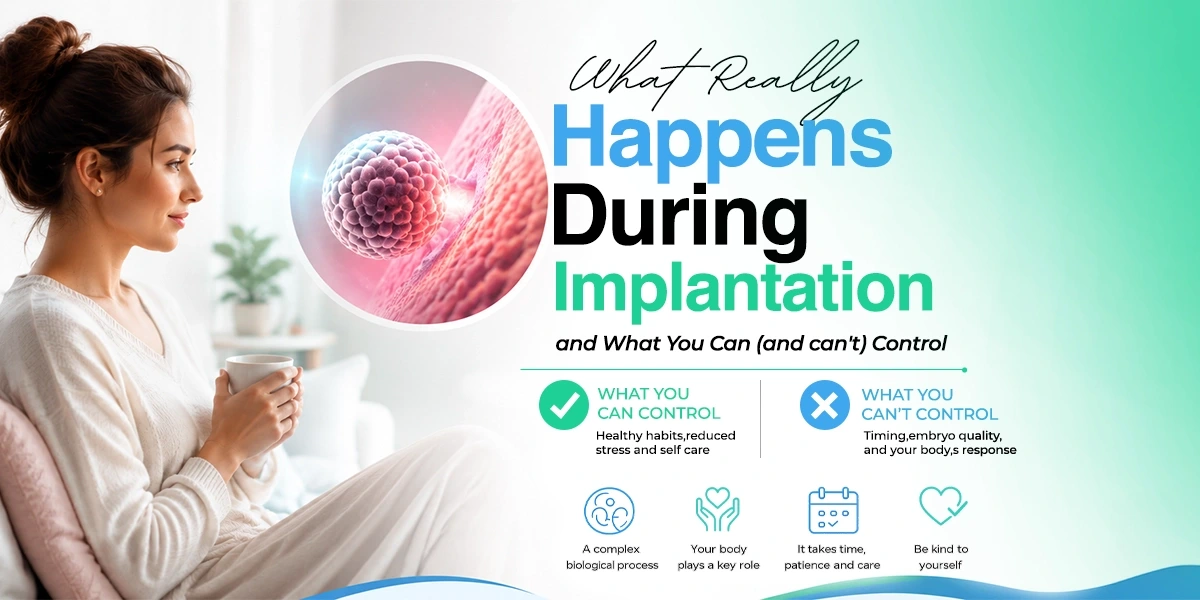
Implantation is one of the most talked-about — and most misunderstood — steps in the journey to pregnancy. Whether you're trying to conceive naturally or going through IVF, it's natural to search for the one food, supplement, or habit that will "guarantee" implantation. The truth is simpler and more empowering: you can't force implantation, but you can support your body's overall reproductive health to give it the best possible chance. At Best Life Fertility, we believe understanding the science — instead of chasing myths — is the first step toward a healthier fertility journey. In this guide, we'll break down what implantation actually is, the factors that support it, the habits that may reduce your chances, and the myths you can stop worrying about.
For implantation to happen successfully, three things need to align
A healthy embryo — with normal chromosomal and developmental potential A receptive uterus — an endometrial lining that is thick, well-vascularized, and hormonally prepared The right timing — implantation can only occur during a specific window known as the "window of implantation," typically several days after ovulation When these three factors line up, the embryo can attach to the uterine lining and begin the earliest stages of pregnancy.
Factors That Support Implantation
Several biological conditions increase the likelihood of successful implantation:
Healthy embryo quality — genetically normal embryos have a significantly higher chance of implanting Adequate progesterone after ovulation — progesterone prepares and maintains the uterine lining A healthy endometrial lining — sufficient thickness and blood flow are essential for attachment Good blood flow to the uterus — supports oxygen and nutrient delivery to the developing embryo Well-controlled thyroid and hormone levels — hormonal balance directly affects uterine receptivity
These factors are largely medical and physiological, which is why working closely with a fertility specialist matters — especially if you're undergoing fertility treatment or have a diagnosed condition affecting any of these areas
Lifestyle Habits That Support a Healthy Implantation Environment
While you can't control implantation directly, daily habits can help create the healthiest possible environment for conception:
Habit Why It Matters
Eat enough protein Supports egg quality, hormone production, and tissue repair Include healthy fats Aids hormone synthesis and reduces inflammation Stay hydrated Supports healthy blood volume and circulation to the uterus Get 7–8 hours of sleep Regulates the hormones involved in reproduction Gentle daily movement Improves blood flow without adding physical stress Follow your prescribed medications Especially critical during IVF or hormone-support protocols
Habits and Conditions That May Reduce the Chances of Implantation
Just as some habits help, others may work against implantation:
- Untreated uterine abnormalities, such as certain polyps or fibroids
- Chronic endometritis in selected cases
- Smoking
- Excess alcohol
- Poorly controlled diabetes or thyroid disease (due to dietary habits and medication non-compliance)
- Untreated uterine abnormalities, such as certain polyps or fibroids
- Chronic endometritis in selected cases
- Certain severe sperm or embryo quality issues
Common Myths About Implantation
There's a lot of misinformation out there. Here's what science actually says:
Myth 1: Pineapple guarantees implantation. No food has been proven to guarantee implantation.
Myth 2: Complete bed rest improves implantation. Bed rest is not supported by evidence and is generally not recommended after embryo transfer.
Myth 3: One stressful day will stop implantation. A single stressful event will not prevent implantation. Chronic, unmanaged stress over time is a different matter — but one bad day won't undo your chances.
Myth 4: You must feel implantation happening. Many people feel nothing at all during implantation, and that is completely normal.
None of these are supported by strong scientific evidence. Instead of searching for one magic food or miracle trick, focus on creating the healthiest possible overall environment for conception.
Implantation is one step in a much bigger journey. Instead of fixating on a single factor, the most effective approach is a holistic one — supporting your nutrition, sleep, stress management, medical treatment, medication adherence, and overall health together.
If you're actively trying to conceive or preparing for an embryo transfer, working with a fertility specialist ensures that the medical side (hormone levels, uterine lining, embryo quality) is properly monitored, while you focus on the lifestyle habits within your control.
Frequently Asked Questions (FAQ)
What is embryo implantation
Embryo implantation is when a fertilized embryo attaches to the lining of the uterus, marking the beginning of pregnancy. It requires a healthy embryo, a receptive uterus, and precise timing known as the window of implantation.
How many days after ovulation does implantation occur?
Implantation typically occurs several days after ovulation, during a limited window when the uterine lining is most receptive to the embryo.
Can you feel implantation happening
Many people feel nothing during implantation, while others report mild, non-specific symptoms. Not feeling anything does not mean implantation isn't happening.
Does eating pineapple help with implantation?
No. There is no strong scientific evidence that pineapple or any single food guarantees or improves implantation.
Does bed rest after embryo transfer improve implantation success?
No. Complete bed rest has not been shown to improve implantation rates and is generally not recommended by fertility specialists.
What can reduce the chances of successful implantation?
Smoking, excess alcohol, poorly controlled diabetes or thyroid disease, untreated uterine abnormalities (like certain polyps or fibroids), chronic endometritis, and severe sperm or embryo quality issues may reduce implantation chances.
What lifestyle habits support implantation?
Eating enough protein and healthy fats, staying hydrated, getting 7–8 hours of sleep, gentle daily movement, and following prescribed medications all support a healthy environment for implantation.
Can stress prevent implantation?
A single stressful day will not prevent implantation. However, chronic, ongoing stress may affect overall reproductive health, so long-term stress management is still worthwhile.