Quick Answer Fibroids treatment in Dubai includes minimally invasive procedures like laparoscopic myomectomy, hysteroscopy, and HIFU — fertility-preserving options available at specialist clinics like Best Life Fertility. Treatment is tailored to fibroid size, location, and your pregnancy plans. |
Uterine fibroids are one of the most common gynaecological conditions affecting women of reproductive age — yet they remain one of the most under-diagnosed. If you are dealing with heavy periods, pelvic pressure, or unexplained difficulty conceiving, fibroids treatment in Dubai may be the answer you have been looking for.
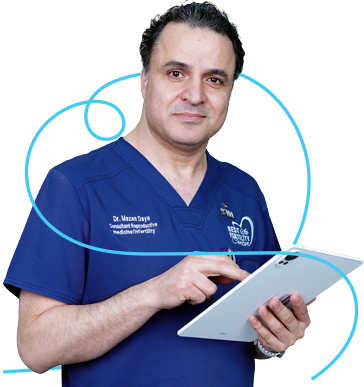
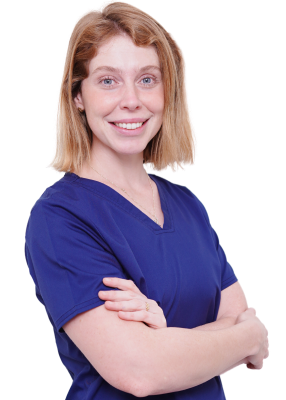
At Best Life Fertility Clinic, our specialist team — led by Dr. Mazen Dayeh and Dr. Carolina Arboleya — works with women every week who have been living with fibroid symptoms for years without the right diagnosis or a clear plan. This guide gives you both: what fibroids are, how they are diagnosed, which treatments work best, and how to protect your fertility throughout.
What Are Uterine Fibroids?
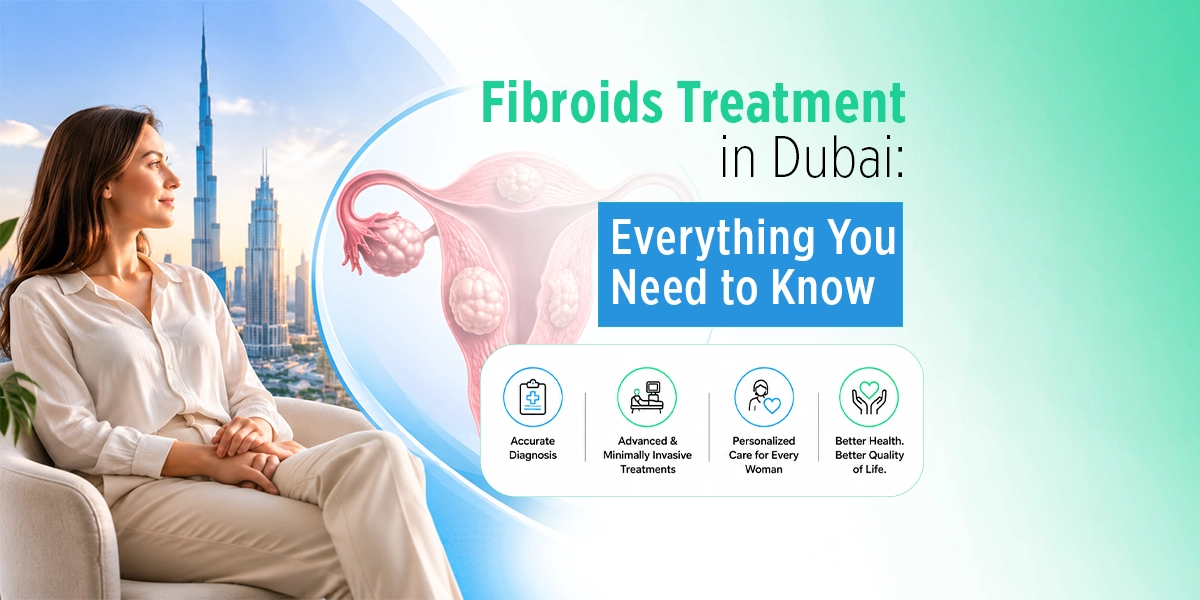
Uterine fibroids (also called leiomyomas or myomas) are non-cancerous growths that develop in or around the muscular wall of the uterus. They range from the size of a pea to larger than a grapefruit, and a woman can have one or many at the same time.
Their location matters as much as their size. Fibroids are classified by where they grow:
- Submucosal — inside the uterine cavity (most likely to cause heavy bleeding and fertility problems)
- Intramural — within the uterine wall (the most common type)
- Subserosal — on the outer surface of the uterus (least likely to affect fertility)
Oestrogen and progesterone fuel fibroid growth, which is why they are most active during the reproductive years and typically shrink after menopause. Additional risk factors include obesity, early onset of menstruation, and a family history of fibroids.
Symptoms: When Should You Be Concerned?
Many women have fibroids and feel nothing. But when symptoms do appear, they can range from inconvenient to genuinely life-disrupting. Common signs include:
- Heavy or prolonged menstrual bleeding (soaking a pad or tampon within an hour)
- Pelvic pressure, fullness, or pain
- Bloating or a visibly swollen abdomen
- Frequent urination or difficulty emptying the bladder
- Pain during sex
- Lower back pain
- Difficulty conceiving or repeated early pregnancy loss
Do not wait for symptoms to become severe before seeking an assessment. Earlier diagnosis means more treatment choices and better outcomes.
Not sure if your symptoms point to fibroids? Book a gynaecology consultation at Best Life Fertility →
How Are Fibroids Diagnosed?
Accurate diagnosis is the foundation of effective treatment. At Best Life Fertility Clinic, this begins with a detailed clinical consultation — your symptom history, menstrual pattern, and pregnancy goals all inform how we investigate.
Ultrasound (transvaginal or abdominal) — The most common first-line tool. Confirms the presence, location, size, and number of fibroids quickly and without radiation.
MRI (Magnetic Resonance Imaging) — Provides a precise 3D map of fibroid position and blood supply. Essential for planning surgical or non-surgical treatment.
Hysteroscopy — A thin camera passed gently through the cervix allows direct visualisation of the uterine cavity. Particularly important for detecting submucosal fibroids causing bleeding or implantation failure.
Blood Tests — To identify iron-deficiency anaemia from chronic blood loss and to assess hormonal levels driving fibroid growth.
The goal is not simply to confirm fibroids exist — it is to identify precisely which fibroids are responsible for your symptoms, so treatment can be targeted and effective.
Fibroids Treatment in Dubai: All Your Options Explained
The right treatment depends on your fibroid type, size, and location; the severity of your symptoms; your age; and — critically — whether you plan to have children. At Best Life Fertility, no two treatment plans look the same.
1. Watchful Waiting (Active Monitoring)
If your fibroids are small, not causing significant symptoms, and not affecting fertility, active monitoring may be the most appropriate path. Regular ultrasound scans track any changes over time. For women approaching perimenopause, fibroids often stabilise or shrink naturally — avoiding intervention altogether.
2. Medication and Hormonal Therapy
Medications do not eliminate fibroids but can provide meaningful symptom relief and are often used to prepare for surgery or bridge to another treatment:
- GnRH agonists — temporarily suppress oestrogen, shrinking fibroids by up to 50% before surgery
- Hormonal contraceptives (IUS, combined pill) — help control heavy periods and regulate cycles
- Tranexamic acid / NSAIDs — manage acute bleeding and period pain
- Selective progesterone receptor modulators (SPRMs) — used in specific protocols to reduce fibroid volume
3. Minimally Invasive Procedures
These represent the most important advances in fibroid care — effective, uterus-preserving treatments with fast recovery:
Hysteroscopic Myomectomy — Fibroids inside the uterine cavity are removed through the vagina using a thin camera and instruments, with no abdominal incision. The preferred option for women with heavy bleeding or implantation failure caused by submucosal fibroids.
Laparoscopic Myomectomy — Fibroids in the uterine wall are removed through small keyhole incisions. The uterus is fully preserved. Widely considered the gold-standard fertility-preserving surgery for intramural fibroids.
Uterine Artery Embolisation (UAE) — A micro-catheter blocks the blood supply to fibroids, causing them to shrink over months. Non-surgical and effective for symptom control, but generally not recommended for women still planning pregnancy.
High-Intensity Focused Ultrasound (HIFU) — Ultrasound energy is focused precisely on fibroid tissue to destroy it from outside the body, with no incisions. A same-day procedure with very short recovery.
4. Surgical Options
When fibroids are very large, numerous, or not responding to other treatments:
Open Myomectomy — Surgical removal of fibroids through an abdominal incision, with the uterus fully retained. Recommended when fibroids are too large or complex for laparoscopic removal.
Hysterectomy — Complete removal of the uterus. A permanent solution for women who have completed their families. Both laparoscopic and robot-assisted techniques are available in Dubai, with significantly faster recovery than traditional open surgery.
Fibroids, Fertility, and IVF: What the Evidence Shows
This is one of the most common questions women ask after being diagnosed with fibroids. A comprehensive review published in the journal Diagnostics found that the impact of fibroids on fertility depends largely on their location within the uterus. Submucosal fibroids, which distort the uterine cavity, are associated with lower implantation, pregnancy, and live birth rates, while subserosal fibroids generally do not appear to affect fertility outcomes. The review also noted that intramural fibroids may negatively influence fertility, although the evidence remains less conclusive and treatment decisions should be individualized based on factors such as fibroid size, symptoms, and reproductive goals.
The encouraging news: fertility outcomes after myomectomy are generally very positive. Many women conceive naturally within 6–12 months of laparoscopic myomectomy. For those pursuing IVF, removing fibroids that distort the uterine cavity has been shown to meaningfully improve embryo implantation rates.
This is why at Best Life Fertility, our gynaecology and IVF teams work closely together. If you are preparing for IVF/ICSI treatment, uterine health assessment is a standard part of your workup — because treating fibroids at the right time can make a real difference to your IVF outcome.
Concerned fibroids may be affecting your fertility? Our specialists can give you a clear picture after a single diagnostic consultation. Book your assessment →
Why Choose Best Life Fertility for Fibroid Care?
Many clinics treat fibroids. Fewer combine specialist surgical expertise with integrated fertility care under one roof.
Specialist-led, not generalist. Dr. Mazen Dayeh brings over two decades of reproductive medicine experience. Dr. Carolina Arboleya holds specialist training in both gynaecology and assisted reproduction, with particular expertise in uterine conditions and endometriosis — complex cases are handled with subspecialty focus, not referred out.
Fertility-first decision-making. Every treatment recommendation is made with your reproductive future in mind. We do not recommend hysterectomy for women who have not completed their families when effective fertility-preserving alternatives exist.
Integrated care pathway. From your first ultrasound to your myomectomy to your IVF cycle — coordinated as one plan, not fragmented across multiple providers.
EIAC-accredited quality standards. Best Life Fertility holds EIAC accreditation — a recognised mark of clinical excellence in the UAE. You can read more about our accreditation and what it means for your care.
Recovery: What to Expect After Fibroid Treatment
Recovery timelines vary significantly depending on which procedure you have:
Procedure | Typical Return to Normal Activity |
Hysteroscopic myomectomy | 3–5 days |
Laparoscopic myomectomy | 2–3 weeks |
UAE (embolisation) | 1–2 weeks |
HIFU | 1–3 days |
Open myomectomy | 4–6 weeks |
Laparoscopic hysterectomy | 3–5 weeks |
After any fibroid treatment, follow-up scans are important to confirm the outcome and monitor for recurrence. Supporting recovery with an iron-rich diet, maintaining a healthy weight, and addressing underlying hormonal factors all reduce the likelihood of fibroids returning.
Cost of Fibroids Treatment in Dubai
Costs vary according to procedure complexity, hospital setting, anaesthesia, and aftercare. As a general guide:
Procedure | Estimated Cost (AED) |
Diagnostic workup (consultation + ultrasound + bloods) | 800–1,500 |
Hysteroscopic myomectomy | 12,000–20,000 |
Laparoscopic myomectomy | 18,000–35,000 |
UAE (embolisation) | 20,000–40,000 |
Hysterectomy (laparoscopic) | 25,000–50,000+ |
Most UAE health insurance plans cover fibroid treatment when symptoms are clinically significant. Our patient coordinators can help verify your coverage before your consultation — simply get in touch and we will guide you through it.
Conclusion
Living with fibroid symptoms is not something you should simply accept — and when fibroids are affecting your fertility, time matters. The good news is that fibroids treatment in Dubai has never been more advanced, with procedures that relieve symptoms, preserve your uterus, and protect your ability to conceive.
At Best Life Fertility Clinic, we bring together specialist surgical expertise, integrated fertility care, and genuine patient support to give you the clearest path forward. Whether you are just beginning to investigate your symptoms or have been managing fibroids for years, we can help you understand your options and make the right decision for your health and your family.
Schedule your consultation with our gynaecology team today →
Frequently Asked Questions
Q1: What is the best fibroid treatment if I still want to have children?
Laparoscopic or hysteroscopic myomectomy removes fibroids while preserving the uterus completely, making both ideal fertility-preserving options for women planning future pregnancy.
Q2: Can fibroids disappear without treatment?
Small, asymptomatic fibroids may stabilise or shrink naturally, especially near menopause. Fibroids causing significant symptoms or affecting fertility rarely resolve without clinical treatment.
Q3: How do I know if my fibroids are affecting my fertility?
A hysteroscopy or MRI confirms whether fibroids distort the uterine cavity. Submucosal fibroids have the strongest evidence linking them to implantation failure and early pregnancy loss.
Q4: Is fibroid treatment covered by health insurance in Dubai?
Most UAE insurance plans cover treatment when fibroids are clinically symptomatic. Coverage for minimally invasive procedures is increasingly common — verify directly with your insurer beforehand.
Q5: How soon after fibroid treatment can I try to conceive?
After laparoscopic myomectomy, most specialists recommend waiting 3–6 months before attempting conception naturally or proceeding with IVF, to allow the uterus to heal fully.