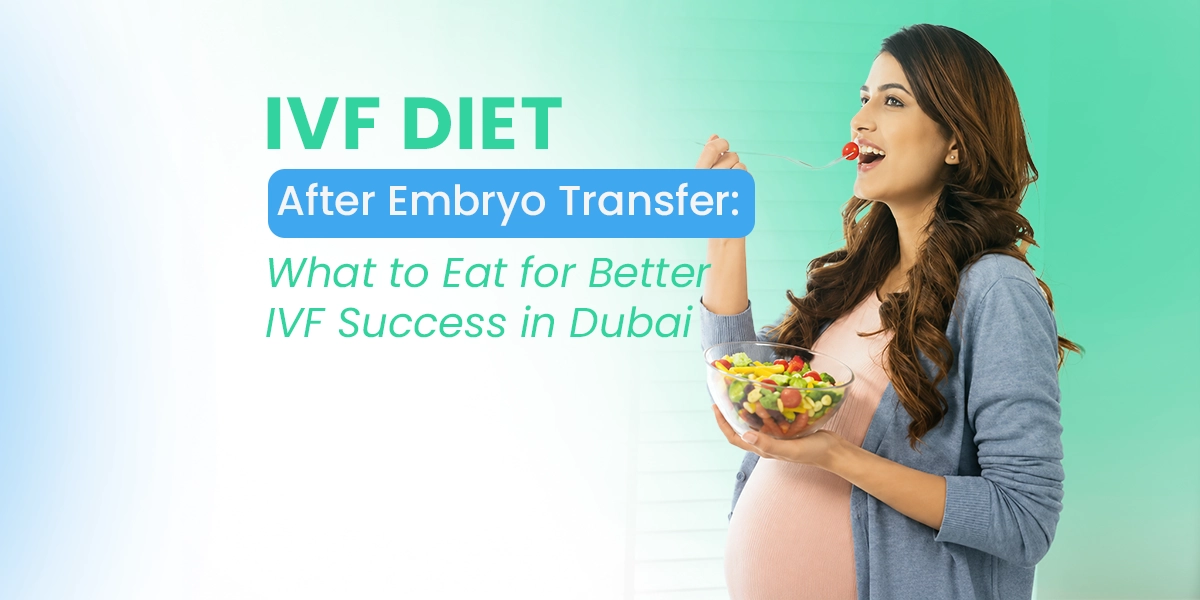
You have just had your embryo transfer — one of the most significant moments in your IVF journey. The next 10 to 14 days, often called the “two-week wait,” can feel both exciting and emotionally intense. And almost every patient at this stage asks the same question:
“What should I eat after embryo transfer to give my embryo the best possible chance?”
The answer lies in understanding your IVF diet after embryo transfer — not as a strict meal plan, but as a deliberate, nourishing approach to food that supports implantation from the inside out. While no single food can guarantee success, the right nutrition can meaningfully improve uterine receptivity, reduce inflammation, balance hormones, and create the most favourable environment possible for your embryo to implant and grow.
📌 Quick Answer While no single food can guarantee implantation, the right nutrition can significantly support your body — improving uterine receptivity, reducing inflammation, balancing hormones, and creating the best possible environment for your embryo. |
Why Nutrition Matters After Embryo Transfer
After transfer, the embryo must attach to the uterine lining (implantation), usually within 1–5 days. This delicate process depends on several factors including hormone levels, blood flow, immune balance, and endometrial health.
At any leading IVF clinic in Dubai, post-transfer care goes beyond medications — it includes nutrition and lifestyle support to improve outcomes.
Your diet directly impacts:
- Uterine blood flow — good circulation carries oxygen and nutrients to the lining
- Inflammation levels — a low-inflammation environment is more receptive to an embryo
- Hormone production — healthy fats and micronutrients are the building blocks of progesterone and oestrogen
- Gut health — a healthy gut microbiome supports immune regulation, which is critical during implantation
- Energy and emotional wellbeing — stable blood sugar reduces anxiety and physical fatigue
A 2019 study published in Human Reproduction found that women following a Mediterranean-style diet during IVF had significantly higher clinical pregnancy rates compared to those with poor dietary habits. The principles of that diet — abundant vegetables, lean protein, healthy fats, and whole grains — form the foundation of this guide.
Essential Foods to Include After Embryo Transfer
Think of your plate after embryo transfer as a “fertility plate.” You want it to be colourful, varied, nutrient-dense, and easy to digest. Below are the key food groups to prioritise:
🍳 High-Quality Protein Sources
Protein is the foundation of tissue repair and cellular growth. After embryo transfer, your body is working hard to prepare for pregnancy. Adequate protein supports the production of hormones and helps maintain the uterine environment.
Protein supports tissue repair, hormone production, and early embryo development.
Best options:
- Eggs (rich in choline & folate)
- Oily fish (salmon, sardines – omega-3)
- Lentils & beans (plant protein + iron)
- Lean chicken (zinc for hormone balance)
- Greek yogurt (protein + probiotics)
🍓 2. Antioxidant-Rich Fruits & Vegetables
Antioxidants protect cells and improve implantation conditions.
Include:
- Berries (blueberries, strawberries)
- Spinach & kale (folate, iron)
- Citrus fruits (vitamin C)
- Sweet potatoes & carrots (beta-carotene)
- Broccoli & tomatoes (anti-inflammatory compounds)
🥑 3. Healthy Fats for Hormone Balance
Healthy fats are essential for progesterone production — critical for maintaining early pregnancy.
Top sources:
- Avocado
- Olive oil
- Nuts (almonds, walnuts)
- Seeds (sunflower, flaxseed)
🍚 4. Complex Carbohydrates for Stable Energy
Avoid sugar spikes and support calm hormonal balance.
Best choices:
- Oats
- Brown rice & quinoa
- Whole grains
- Chickpeas & lentils
- Sweet potatoes
Traditional UAE Foods That Support Fertility and Implantation
If you are living in the UAE, you have access to some genuinely excellent fertility-supporting foods that are both culturally familiar and nutritionally powerful. Here is a list of locally available options that your fertility team at the best fertility clinic in UAE would be happy to recommend:
- Dates (Ajwa, Medjool) – iron, fibre, natural energy
- Pomegranate – improves uterine blood flow
- Hammour & local fish – omega-3 rich
- Za’atar with olive oil – antioxidants + healthy fats
- Chamomile tea – calming and anti-inflammatory
Many fertility doctors in Dubai recommend incorporating culturally familiar foods for sustainable nutrition.
Key Nutrients for IVF Success
Beyond general food groups, certain specific nutrients are especially important in the post-transfer period. Here is a breakdown:
- Folate – supports embryo development
- Iron – improves uterine lining
- Omega-3 – reduces inflammation
- Vitamin D – supports implantation
- Zinc & Magnesium – hormone balance
- Probiotics – gut & immune health
💡 Important note about supplements Always continue taking any supplements prescribed by our fertility doctor – including prenatal vitamins, progesterone, and any other medications. Dietary supplements should complement, never replace, your prescribed treatment protocol. Before adding any new supplement, check with your fertility specialist at Best Life Fertility |
Foods to Avoid After Embryo Transfer
Knowing what not to eat is just as important as knowing what to eat. The following foods can increase inflammation, disrupt hormones, introduce harmful bacteria, or spike blood sugar — all of which can work against the implantation process.
- Alcohol
- High caffeine (>200mg/day)
- Raw seafood (infection risk)
- Processed & fast foods
- High-mercury fish
- Unpasteurised dairy
- Excess sugar
At any reputable IVF clinic in Dubai, patients are advised to follow a clean, low-inflammatory diet during the two-week wait.
Hydration Tips for IVF Patients in UAE
In the UAE climate — especially during summer months when temperatures exceed 40°C — staying well-hydrated is not optional, it is critical. After embryo transfer, good hydration supports blood flow to the uterus, helps reduce the risk of ovarian hyperstimulation syndrome (OHSS), and assists in flushing out excess stimulation medications.
Daily Hydration Target
Aim for 2 to 2.5 litres of water per day — more if you are in a hot environment or feeling bloated from OHSS. Sip water consistently throughout the day rather than drinking large amounts at once.
Best Drinks After Embryo Transfer
- Still water — the gold standard; add lemon or mint for variety
- Pomegranate juice (100% pure) — studies suggest it may improve uterine blood flow
- Warm herbal teas — chamomile, ginger, lemon balm (avoid sage and parsley in large amounts)
- Coconut water — natural electrolytes, especially helpful if you have been sweating in the UAE heat
- Warm broth or soup — comforting, nourishing, and easy on a sensitive stomach
Drinks to Limit or Avoid
- Coffee and strong tea — limit to 1 cup per day or switch to decaf
- Fizzy drinks and energy drinks — high in sugar and can cause bloating
- Alcohol — avoid completely
- Large amounts of green tea — contains tannins that block iron absorption
IVF Treatment in Dubai: Why Nutrition Alone Is Not Enough
While diet plays a supportive role, successful outcomes depend on expert medical care.
Choosing the right IVF centers in Dubai ensures:
- Advanced embryo lab technology
- Personalised treatment plans
- Experienced fertility doctors
- Continuous monitoring and support
The combination of medical expertise + proper nutrition significantly improves IVF success rates.
Frequently Asked Questions
What should I eat after embryo transfer?
After embryo transfer, focus on high-protein foods (eggs, lentils, grilled chicken), antioxidant-rich fruits and vegetables (berries, spinach, pomegranate), healthy fats (avocado, walnuts, olive oil), and complex carbohydrates (oats, sweet potato, brown rice). Stay well-hydrated with water and warm herbal teas. Avoid raw seafood, alcohol, excessive caffeine, and processed foods during the two-week wait.
Can I eat pineapple after embryo transfer?
Yes, pineapple is a popular post-transfer food because its core contains bromelain — an enzyme believed to support uterine receptivity and have mild anti-inflammatory properties. Eating 1–2 slices of pineapple (including the core) per day for the first 5 days post-transfer is a widely followed fertility nutrition practice. It should not replace your prescribed medications or medical guidance.
Is it safe to drink coffee?
Most fertility specialists recommend limiting caffeine to under 200mg per day after embryo transfer — roughly one cup of standard filter coffee. Higher caffeine intake has been linked to reduced implantation rates. Switching to decaf, chamomile tea, or warm water with lemon during the two-week wait is a safe and supportive alternative.
Does diet really improve IVF success?
Yes, research strongly supports that nutrition plays a meaningful role in IVF outcomes. A Mediterranean-style diet rich in vegetables, lean proteins, healthy fats, and whole grains has been associated with higher clinical pregnancy rates in IVF patients. While diet alone cannot guarantee success, it creates the most favourable biological environment for implantation and early pregnancy development.
Conclusion: Supporting Your IVF Journey Naturally
The two-week wait is one of the most emotionally charged periods of the entire IVF process. You cannot control everything — but you can control how well you nourish your body during it.
A well-planned IVF diet after embryo transfer — rich in quality protein, antioxidants, healthy fats, and complex carbohydrates, combined with consistent hydration — gives your body the nutritional foundation it needs to support implantation. It will not replace your medical treatment, but it works alongside it in a way that matters.
If you are planning or currently undergoing IVF treatment in Dubai, the team at Best Life Fertility Center provides complete support at every stage — from advanced embryology and personalised treatment protocols to guidance on nutrition, lifestyle, and emotional wellbeing throughout your journey.
💡 Understand your IVF Journey Better If you are still learning about the full IVF process, our detailed guide on what is and how it works explains each step clearly – from stimulation and egg retrieval to embryo culture and transfer |
About Best Life Fertility
This article was reviewed and approved by the medical and clinical team at Best Life Fertility Center, Sharjah & Dubai, UAE. Our team includes board-certified fertility specialists, senior embryologists, IVF nurses, and clinical nutritionists dedicated to providing evidence-based, patient-first care.