Quick Answer:
Endometriosis can make it harder to get pregnant, but it doesn’t mean you can’t. Plenty of women with the condition conceive naturally, and others need some medical help along the way. Much depends on where the endometriosis sits, whether the ovaries or fallopian tubes are involved, and your overall reproductive health.
What Is Endometriosis?
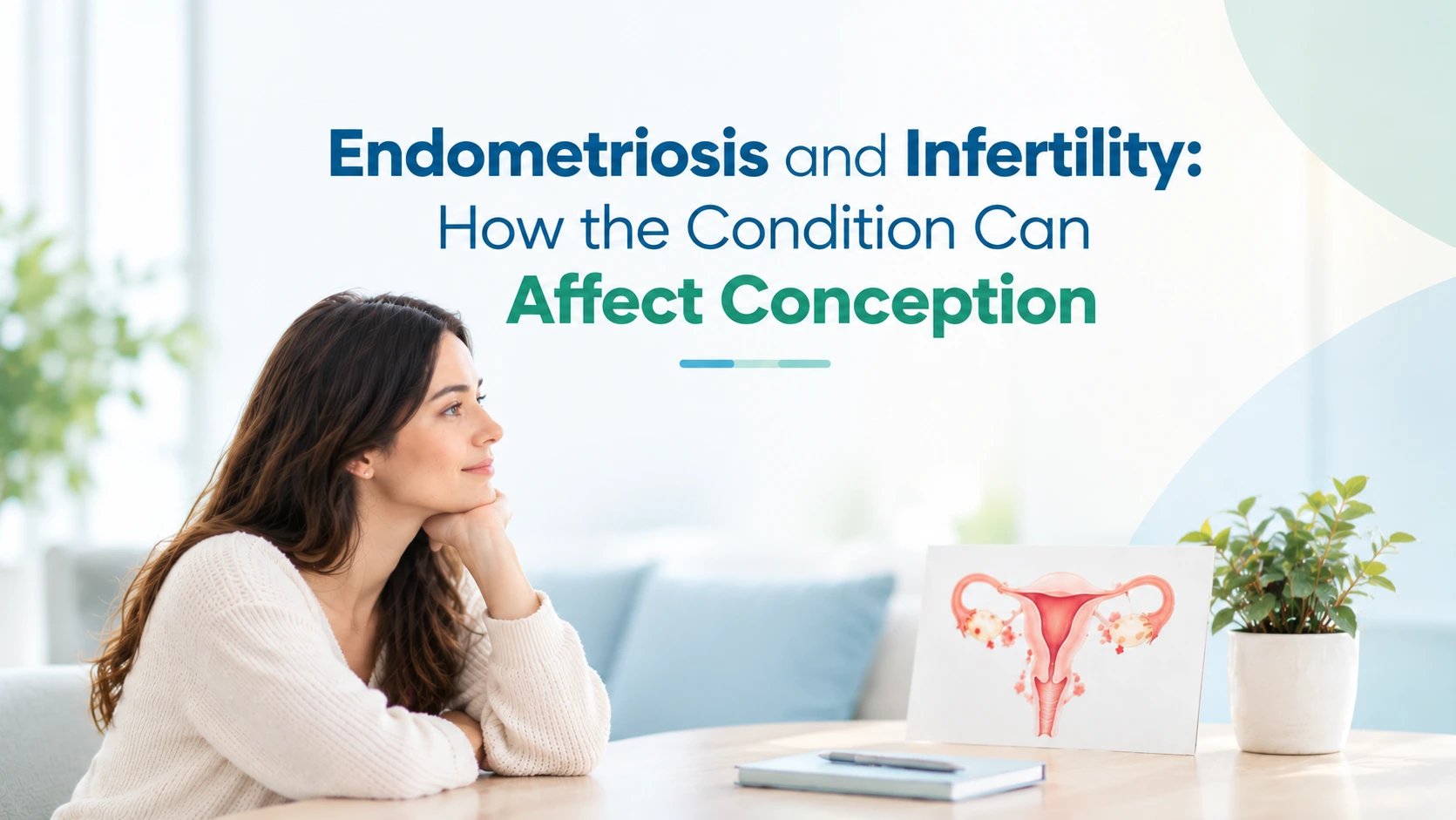
If you’ve had painful periods, pelvic pain or trouble conceiving, endometriosis may be something you’ve come across. It happens when tissue similar to the lining of the uterus grows outside it, usually around the ovaries, the fallopian tubes or elsewhere in the pelvis.
That tissue reacts to the hormonal changes of your menstrual cycle. Over time, this can lead to inflammation, pain and scar tissue.
Not everyone notices symptoms. Some women only find out they have it when they see a doctor because they’re struggling to conceive.
How Can Endometriosis Affect Your Chances of Getting Pregnant?
Endometriosis affects every woman differently. Some conceive without any treatment, while others find it takes far longer than they expected. There are a few reasons why.
It Can Affect the Fallopian Tubes
For women trying to conceive, the name itself is not the important part. What matters is whether the condition is affecting ovulation or there are other factors making pregnancy more difficult.
It Might Influence the Ovaries
Endometriosis sometimes causes cysts on the ovaries, known as endometriomas. Depending on their size and position, these cysts (and the condition itself) can affect how well the ovaries work.
Surgically removing an endometrioma can also reduce the number of eggs left in that ovary. That’s why doctors weigh up the benefits and risks carefully before suggesting surgery, especially if you’re planning a pregnancy.
Inflammation May Play a Role
The condition is linked to inflammation in the pelvis, and this may get in the way of fertilisation or early embryo development. Again, it varies from woman to woman. Having endometriosis doesn’t automatically mean you’ll face infertility.
What Symptoms Should You Look Out For?
Symptoms of endometriosis can include:
- Painful periods that get in the way of daily life
- Persistent pelvic or lower abdominal pain
- Pain during or after sex
- Pain when passing urine or opening your bowels during periods
- Difficulty getting pregnant
Some women have mild symptoms and others have severe pain. The level of pain doesn’t tell you much about how fertility might be affected.
If any of this sounds familiar, or you’ve been trying to conceive without success, a gynaecologist or fertility specialist can help you work out what’s going on.
Can You Get Pregnant Naturally With Endometriosis?
Yes, it’s possible. Your chances depend on things like your age, your ovarian reserve, whether your fallopian tubes are open, how severe the endometriosis is, and your partner’s fertility too.
You don’t have to jump straight to fertility treatment. Your doctor may start by assessing your reproductive health and talk through whether it’s reasonable to keep trying naturally for a while.
What matters is not writing off the chance of pregnancy, and not putting off advice if something is worrying you.
What Treatment Options Are Available?
No single treatment suits every woman with endometriosis. The right approach depends on your symptoms, your fertility goals, your age and what your assessment shows.
Medication
Hormonal medicines can help control pain and other symptoms. The catch is that most of them prevent pregnancy while you’re taking them, so they usually aren’t an option if you’re actively trying to conceive. Your doctor can explain which ones might suit your situation.
Surgery
Sometimes surgery is considered to remove endometriosis tissue or adhesions. It can relieve symptoms, and for some women it may improve the chances of conceiving. But it doesn’t guarantee a pregnancy, and it carries risks, including a possible effect on ovarian reserve. Your specialist will weigh these up before recommending it.
IVF Treatment
For some women, in vitro fertilisation (IVF) is a sensible option, particularly if the fallopian tubes are affected, other fertility factors are involved, or pregnancy hasn’t happened after earlier treatment.
With IVF, eggs are collected from the ovaries, fertilised with sperm in a laboratory, and an embryo is then transferred into the uterus. Whether it’s the best route depends on your own circumstances.
A fertility specialist can walk you through the options and help you choose a plan that suits you. You can also read more about IVF treatment in the Dubai.
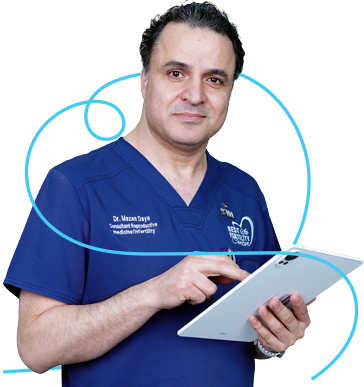
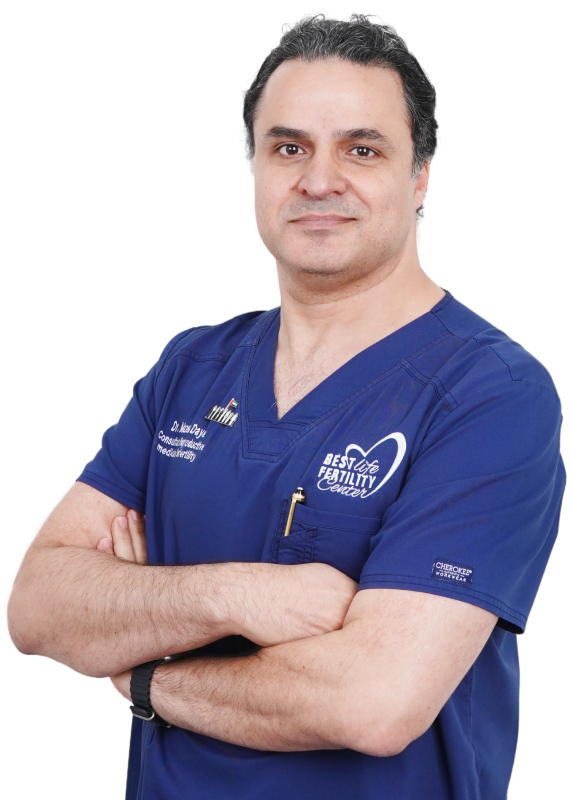
“Endometriosis affects each woman differently. When a patient is having difficulty conceiving, we assess her reproductive health, ovarian reserve and fertility history to understand the possible causes and recommend an appropriate treatment approach.”
– Dr. Mazen Dayeh, Reproductive Medicine and Infertility Consultant
When Should You See a Fertility Specialist?
It’s worth seeking advice if you have symptoms of endometriosis, you’ve already been diagnosed, or you’re worried about your ability to conceive.
The usual guidance is to get a fertility evaluation after 12 months of trying if you’re under 35, and after six months if you’re 35 or older. If you have a known condition like endometriosis that can affect fertility, speaking to a specialist sooner may be helpful.
An assessment might include a review of your medical history, an ultrasound, ovarian reserve testing where appropriate, and checks for other factors that could affect conception. Getting advice early helps you understand your options, and it doesn’t mean you’ll end up needing treatment.
In Summary
An endometriosis diagnosis brings up a lot of questions, especially if you want a baby. It can make conceiving more challenging, but many women still get pregnant.
Understanding how the condition affects your reproductive health is a good first step. If fertility is on your mind, a personalised medical assessment can help you see your options and decide what comes next.
Frequently Asked Questions (FAQs)
Does endometriosis always cause infertility?
No. Many women with endometriosis conceive naturally. The condition can affect fertility, but how much varies from person to person.
Can mild endometriosis affect fertility?
Yes, it can. Even when symptoms are mild, fertility may be affected. Still, how severe the symptoms are can’t predict whether a woman will have trouble conceiving.
Can endometriosis be treated before trying to conceive?
Yes. Treatment depends on your symptoms and your pregnancy plans. Some treatments focus on pain relief, and surgery may be considered in selected cases. Your doctor can help you weigh the benefits and risks.
Is IVF necessary for women with endometriosis?
No. Some women conceive naturally, while others benefit from fertility treatment. The decision depends on your individual fertility findings and other factors.
Can endometriosis return after treatment?
It can. Symptoms and lesions sometimes come back after treatment, though not for everyone. Your doctor can talk you through follow-up care based on your condition and your plans for pregnancy.
Should I see a specialist if I have endometriosis and want a baby?
It can help, especially if you’ve been trying to conceive or have concerns about your fertility. A specialist can assess your situation and discuss the most suitable next steps.
Medical Disclaimer: This article is for general educational purposes only and is not a substitute for professional medical advice, diagnosis, or treatment. Please consult a qualified healthcare professional for advice about your individual circumstances.